


Heritage
A house, in its own words
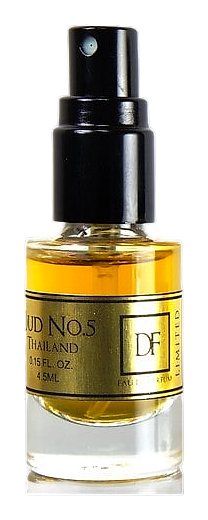
The history of Darkwood Forest is not fully documented. One fragrance reference describes the brand as an American artisan perfume house founded in 2016, while another independent fragrance resource states that its origin country, founder and establishment year lack a clear public record. The discrepancy may reflect a small, independent label with limited archival coverage, rather than a disagreement that can be resolved from the available evidence. What can be established more securely is that perfumes attributed to Darkwood Forest appeared in the fragrance market during 2017. Catalogue records list four associated fragrances from that year, including Vetiver, Oud No. 5, Oud No. 8 and No. 3 Wild Cambodia. Maison KV presents a broader catalogue of 11 Darkwood Forest scents, but that database should not be treated as a complete official company history without further corroboration. The brand’s own social presence also refers to Darkwood Forest Parfum and links to Darkwood Forest Apothecary, indicating a direct connection to an apothecary-led fragrance identity. No widely verified record names the founder or perfumers, so the label’s development is best understood as a documented but still relatively obscure chapter in contemporary American artisan perfumery. Darkwood Forest’s public materials point toward natural fragrance ingredients and an apothecary vocabulary rooted in concentrated aromatic materials. The available catalogue is especially associated with vetiver, oud and aromatic blends, giving the brand a clear material-led character rather than a broad lifestyle perfume image. The company’s published fragrance descriptions, including references to natural ingredients, should be read as brand claims rather than independently tested composition data. The label appears to emphasize fragrance as a sensory exploration of woods, roots, resins and spice-like accords. Its identity also carries a darker visual register, using the name Darkwood Forest to frame perfume as an encounter with dense, forest-like atmosphere. Because independent sources provide limited information about its creative process, there is no reliable basis for assigning a formal philosophy to the brand beyond these observable choices. The strongest supported themes are natural materials, apothecary presentation, and a preference for concentrated, expressive compositions.