







Heritage
A house, in its own words
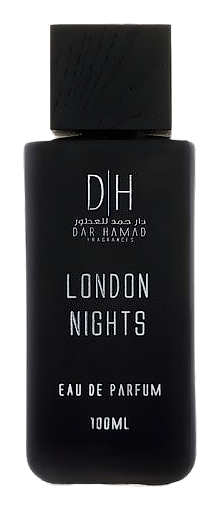
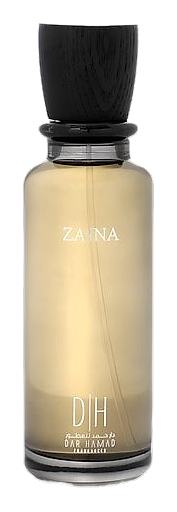
Dar Hamad emerged in Kuwait in 2017, developing a fragrance business around the market's appetite for oud, incense, rose, and layered Arabic perfume traditions. The house presented itself as both a perfume label and a broader fragrance and fashion house, a breadth reflected in its later catalogue of fine fragrances, sprays, home fragrances, and bukhoor. Its earliest public identity combined local Kuwaiti references with names such as Shaikh Abdullah, while later releases such as The Bride, Night Oud, Arabian Night, Zaina, Forest, Oud Incense, Hamad, London Nights, and Rock & Rose broadened its expressive range. All ten listed fragrances entered the available fragrance database with 2020 as their launch year, marking a concentrated period of catalogue development. The brand's history also carries a sombre chapter. Independent catalogue descriptions report that the house is now inactive following the death of its founder. This detail gives Dar Hamad a different kind of legacy from the continuing commercial narratives of many Middle Eastern fragrance houses. Its perfumes preserve a particular moment in Kuwait's modern fragrance culture, combining regional olfactory references with a polished, internationally legible naming style. Rather than framing the brand only through its finished scent collection, its heritage rests on the founder's role, the short life of the house, and the disappearance of an early Kuwaiti fragrance and fashion name after 2020. Dar Hamad's creative direction is most clearly expressed through names, scent families, and the cultural references attached to its products. Titles such as Shaikh Abdullah, The Bride, Night Oud, Arabian Night, and Hamad turn the collection into a set of character studies, while Zaina, Forest, Rock & Rose, and London Nights open a more narrative and geographically varied register. The house does not limit itself to a single oud-led expression. Its catalogue includes oud and incense alongside rose, woods, fruit accords, and green or terrestrial fragrances, suggesting a search for contrast within the broader Arabian perfume idiom. The inclusion of sprays, home fragrances, and bukhoor extends that approach beyond personal scent into the rituals of the home. Bukhoor, in particular, connects the brand to a long-established Gulf custom of burning fragranced wood, while home sprays and scented products make fragrance part of an everyday atmosphere. Dar Hamad's philosophy can therefore be read as one of translating regional taste and memory into varied sensory settings. The founder's reported death and the subsequent closure of the house add an element of commemoration to this approach. Its catalogue now functions as an archive of a brand that sought to package Kuwaiti fragrance references with contemporary international cues.