





Heritage
A house, in its own words
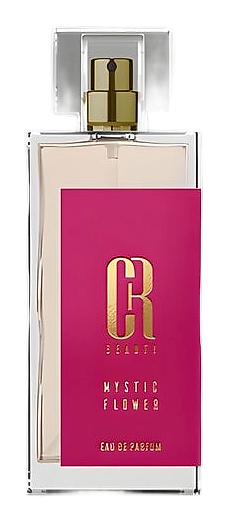
CR Beauty represents a contemporary approach to fragrance creation that defies the traditional model of house heritage. Rather than building upon generational perfumer lineages or centuries-old formulas passed down through families, CR Beauty emerged as a new entrant in 2020 with its full collection already formed. The brand does not claim roots in any particular city or country, nor does it reference historical events, royal connections, or artisanal traditions as part of its origin story. This absence of claimed heritage is itself notable within an industry where provenance often carries significant marketing weight. The brand's working relationships with established production houses suggest a business model built around creative collaboration rather than vertical integration. CR Beauty has not publicly disclosed its founding circumstances, the identity of its principals, or the motivation behind its 2020 launch. What exists publicly is a collection of 18 fragrances and the names of three perfumers who contributed to various compositions. This transparency about collaborators, rather than obscuring them behind a family narrative, suggests a different value system than traditional perfume houses. CR Beauty operates without publicly articulated philosophical statements about its approach to fragrance. The brand's structure reveals practical choices: it creates through collaboration rather than employing a house perfumer, it releases multiple scents simultaneously rather than building a catalog over decades, and it works with external production partners including Robertet, a significant fragrance compound supplier. This model suggests a philosophy centered on accessibility and variety rather than artisanal exclusivity. The absence of founder mythology or signature olfactory style indicates that CR Beauty may view fragrance as consumer product rather than artistic expression, though the involvement of named perfumers like Marion Guillot introduces individual creative signatures into certain releases. The decision to work with multiple perfumers across a single collection implies an intent to offer diverse scent profiles rather than a cohesive house style, allowing consumers to select based on preference rather than brand loyalty.