
Heritage
A house, in its own words
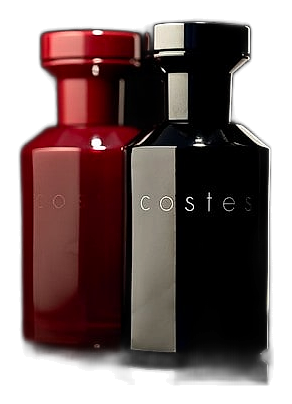
The Costes fragrance story begins not in a perfumer's laboratory but in a Parisian hotel dining room. Jean-Louis Costes operates Hôtel Costes, a property on the rue du Faubourg Saint-Honoré that became a gathering point for the city's creative and fashion communities during the late 1990s and early 2000s. The hotel developed a distinctive atmosphere supported by a curated music program that spawned the celebrated Hotel Costes compilation series, establishing the brand's aesthetic across multiple mediums. In 2001, Costes commissioned perfumer Olivia Giacobetti to create a signature scent for the hotel, a fragrance that guests would encounter upon entering and associate with the establishment's particular blend of warmth and sophistication. The home fragrance launched that year, reportedly becoming a request from departing guests who wanted to recreate the hotel's scent in their own spaces. This guest demand reportedly led to the development of the wearable Eau de Toilette, which launched in 2004. Giacobetti, a respected nose whose work includes several noted niche fragrances, approached the commission as an architectural problem: how to bottle a room. The result was Costes, a fragrance that reviewers describe as capturing what Bois de Jasmin calls 'the dark elegance of Hôtel Costes inside a garnet bottle.' A second fragrance, Costes 2, followed in 2009, expanding the olfactory universe while maintaining connection to the original concept. Costes approaches fragrance as atmosphere rather than accessory. The brand does not release seasonal collections, chase ingredient trends, or position itself against competitors in the conventional luxury market. Instead, Costes treats scent as a component of a larger sensory environment, one that includes music, interior design, and hospitality. This philosophy explains why the brand began with a home fragrance rather than a perfume: the original commission asked Giacobetti to scent a space, not a person. The wearable fragrance emerged only after the hotel's guests requested a way to take the scent with them, suggesting the brand's philosophy prioritizes organic demand over manufactured desire. Costes fragrances are meant to suggest a specific context rather than project an abstract concept of elegance or luxury. Reviewers consistently note that wearing Costes evokes a setting, a mood, a particular quality of Parisian evening light rather than a list of aromatic materials. This approach places the brand closer to narrative art than to traditional perfumery, where the fragrance functions as a memory trigger rather than a signature statement.