


Heritage
A house, in its own words
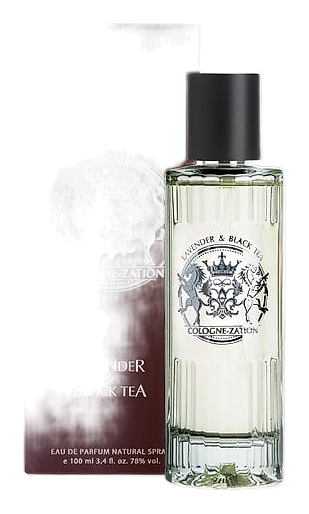
The House of Farina remains the oldest perfume factory in the world still in operation, founded by Johann Maria Farina in Cologne in 1709. Farina created a fragrance so distinctive that he described it as recalling 'a spring morning in Italy after rain,' and he named the entire genre after his host city. This original Eau de Cologne conquered aristocratic Europe, from royal courts in Paris to the desks of Enlightenment thinkers. Cologne became synonymous with bright, citrus-forward fragrances that balanced freshness with complexity. Cologne-Zation channels this legacy directly, treating the city's perfume heritage not as historical footnote but as living methodology. The brand operates as part of a new generation of houses that return to classical perfumery principles while exploring modern material combinations. Unlike houses that build elaborate founder mythology, Cologne-Zation lets the city's actual history speak through its work. Cologne-Zation approaches perfumery with the conviction that fewer ingredients, chosen with precision, yield more expressive results than complex formulations built for projection and longevity at any cost. The brand selects material pairings where each element reveals something in the other. Tobacco and Amber (2019) does not build a typical oriental structure but instead traces how warm resinous notes interact with dry cured leaf. Lavender and Black Tea (2016) explores the intersection of herbal freshness and tannic softness, a combination that defies conventional fragrance taxonomy. Bigarade Verte (2017) pushes the citrus genre into green territory, treating orange blossom as a structural element rather than a top-note afterthought. The philosophy treats the perfumer's role as curator rather than composer, selecting which natural conversations to stage.