The Heritage
The Story of Chapel Factory
Chapel Factory is a French niche perfume house that frames scent as a ritual. Founded in 2020, the brand draws on the history of incense, pilgrimage routes and the ceremonial practices of diverse faiths. Each launch explores a specific liturgical moment, from the austere austerity of Baptisma to the bright clarity of L'eau d'Epine. The line balances natural raw materials with a modern, minimalist aesthetic, inviting collectors to experience fragrance as a quiet act of devotion.
Heritage
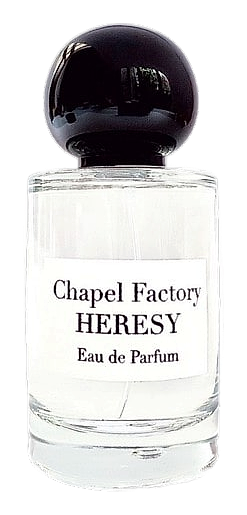
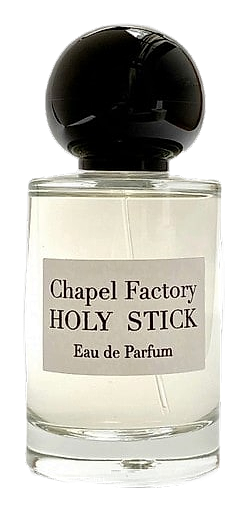
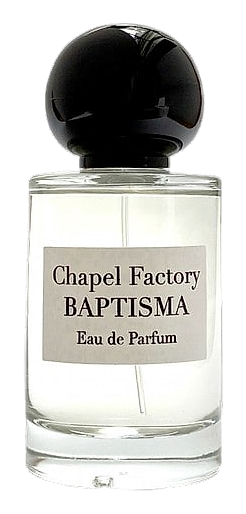
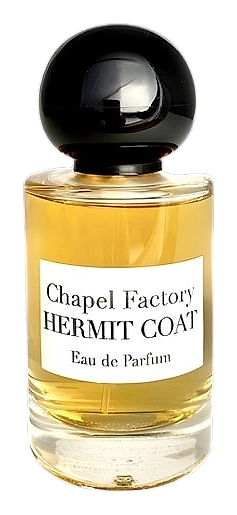
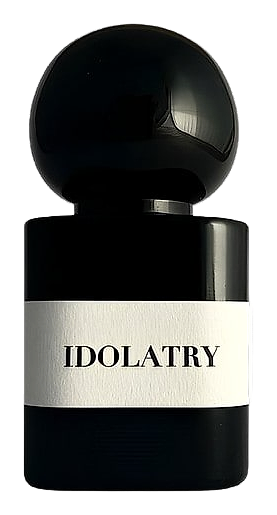
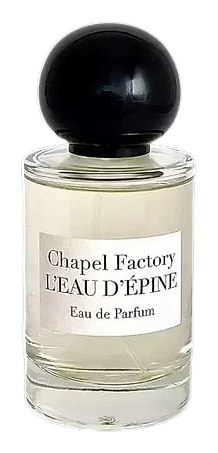
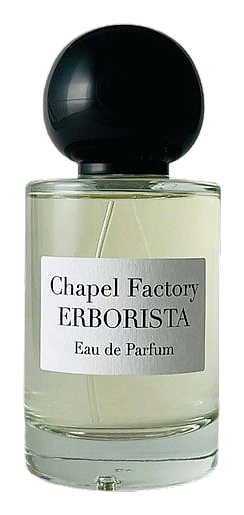
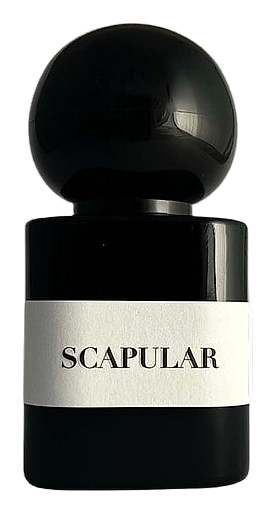
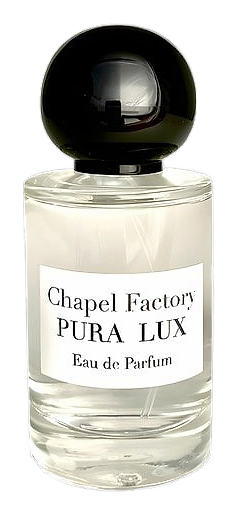
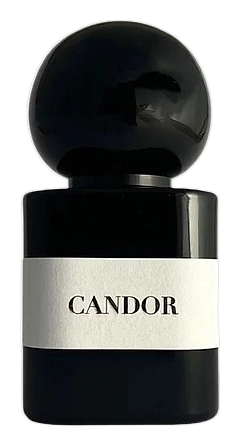
Anaïs Biguine launched Chapel Factory in 2020 after establishing the Jardins d'Écrivains house, a project that already showed her fascination with literary and spiritual themes. The new brand emerged from her study of incense traditions across Christianity, Islam, Buddhism and indigenous rites. Early releases such as Baptisma (2020) and Holy Stick (2020) referenced the ritual of fumigation in monastic settings, while Heresy (2020) turned the concept on its head by invoking dissenting voices within religious history. In 2021 the house added Hermit Coat, a scent that evokes the solitude of a hermitage. The following years saw a steady expansion: Pura Lux (2022) captured the luminous quality of candlelight, L'eau d'Epine (2022) referenced the prickly resilience of desert flora, Erborista (2024) highlighted herbal tinctures, and a trio of 2025 releases – Scapular, Idolatry and Candor – explored the visual and emotional language of vestments, devotion and honesty. Throughout its first six years, Chapel Factory has remained independent, producing limited batches that emphasize provenance and narrative depth. The brand’s evolution reflects a consistent commitment to framing perfume as a contemplative practice rather than a commercial commodity.
Craftsmanship
Chapel Factory’s production process begins with a detailed study of historical incense routes, followed by field research with growers of frankincense, myrrh, cedar and other aromatic botanicals. The brand prioritises ingredients that are harvested by hand and certified organic where possible, a practice confirmed by the brand’s statements on its official site. Once raw materials arrive in the Paris workshop, they are macerated in high‑grade ethanol under controlled temperature, allowing the volatile oils to integrate fully. The blends are then aged in glass vessels for several weeks, a step that smooths sharp edges and deepens the aromatic structure. Quality control includes blind testing by a panel of perfumery professionals, ensuring each batch meets the house’s sensory standards before bottling. Bottles are filled by hand in a cleanroom environment, sealed with simple caps that echo the brand’s minimalist visual language. The entire workflow emphasizes transparency, from seed to scent, and reflects the house’s commitment to preserving the integrity of natural raw materials.
Design Language
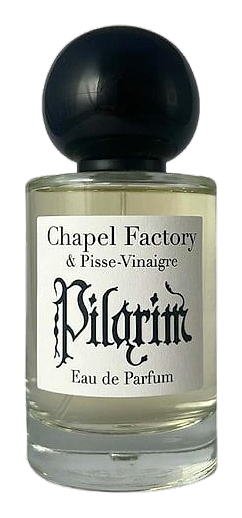
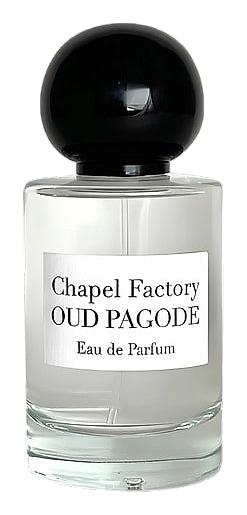
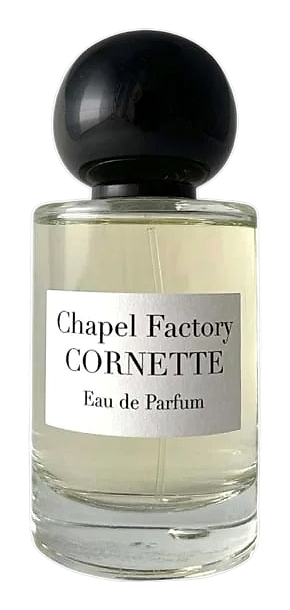
Visually, Chapel Factory adopts a restrained, chapel‑inspired language. The bottles are clear glass with slender shoulders, reminiscent of ancient reliquaries, and are labeled with understated serif typography that evokes stone inscriptions. Caps are often matte metal or brushed aluminum, providing a tactile contrast to the smooth glass. The brand’s marketing imagery frequently features dimly lit interiors, arches and candlelight, reinforcing the notion of a quiet sanctuary. Product photography on the official website showcases the fragrances against neutral backdrops, allowing the scent’s story to emerge without visual clutter. This minimalist approach aligns with the house’s emphasis on ritual over spectacle, inviting collectors to focus on the olfactory experience rather than flashy packaging.
Philosophy
The creative vision at Chapel Factory rests on three pillars: reverence for natural raw materials, immersion in the history of religious ceremony, and the translation of those ideas into scent stories that feel personal. Founder Anaïs Biguine describes her work as an exploration of incense’s rich heritage, a statement echoed by Luckyscent, which notes her passion for natural ingredients and the ritual dimension of fragrance. The house treats each perfume as a liturgical act, assigning titles that echo sacraments, vestments or devotional objects. This approach encourages wearers to pause, breathe and consider the moment as a quiet offering. Sustainability is woven into the philosophy; ingredients are sourced from growers who practice low‑impact harvesting, and the brand favors small‑batch production to maintain quality and traceability. By positioning perfume as a form of modern prayer, Chapel Factory invites a dialogue between the sacred and the everyday.
Key Milestones
2020
Chapel Factory founded by Anaïs Biguine in Paris
2020
Launch of Baptisma and Holy Stick, first scents referencing monastic fumigation
2021
Release of Hermit Coat, a fragrance inspired by solitary hermitage
2022
Pura Lux and L'eau d'Epine debut, exploring candlelight and desert flora
2024
Erborista arrives, highlighting herbal tinctures and botanical extraction
2025
Scapular, Idolatry and Candor launch, completing a thematic trio on vestments, devotion and honesty
At a Glance
Brand profile snapshot
Origin
France
Founded
2020
Heritage
6
Years active
Collection
3
Fragrances released
Avg Rating
4.2
Community sentiment
Release Rhythm


