
Heritage
A house, in its own words
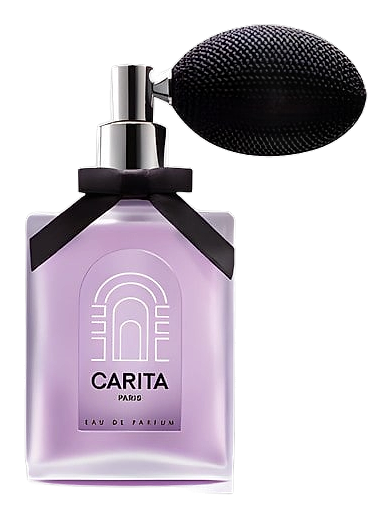
Carita traces its origins to post-war Paris, when two sisters named Maria and Rosy established themselves as trained hairstylists. Their talents caught the attention of Joséphine Baker, the celebrated American-born entertainer who became a French cultural icon. Baker's discovery of the sisters propelled them into Paris's elite beauty and entertainment circles, where their styling work among glamorous clientele laid the foundation for a broader beauty enterprise. The year 1945 marked their formal establishment as a French cosmetic house, combining their hairstyling pedigree with an expansion into skincare and cosmetics. Throughout the latter half of the twentieth century, Carita cultivated a reputation within French beauty culture, though it remained more prominent in cosmetics than fragrance. The house eventually became part of L'Oreal's portfolio of luxury brands, gaining access to broader distribution and resources while maintaining its French heritage. Unlike houses that built their identity around perfume, Carita's fragrance output has remained deliberately limited, releasing only two scents across nearly three decades. This restraint reflects the brand's positioning as a beauty house first and fragrance maker second, with perfume serving as an extension of its cosmetics expertise rather than its primary identity. Carita approaches fragrance through the lens of a beauty house rather than a traditional perfume atelier. While houses like Guerlain or Dior built their reputations on scent innovation, Carita views fragrance as complementary to its broader cosmetics mission. The 2012 Eau de Parfum, created with Alberto Morillas, reflects this philosophy by offering a polished, accessible floral amber rather than a groundbreaking olfactory statement. The limited fragrance output suggests deliberate restraint rather than ambition, with the house content to offer a signature scent to its existing cosmetics clientele rather than compete as a standalone fragrance brand. This philosophy positions Carita's perfume line as an extension of the beauty experience rather than a central creative endeavor.