Heritage
A house, in its own words
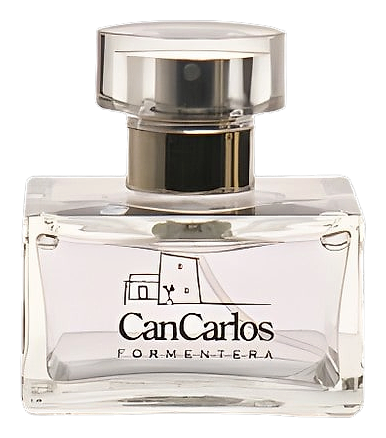
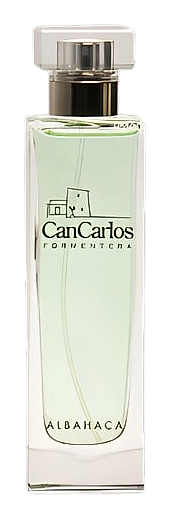
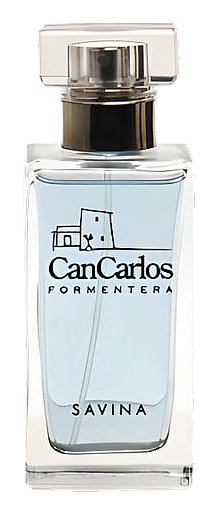
Can Carlos traces its context to Carlos Huber, who was born and raised in Mexico City and later settled in New York. Huber founded Arquiste Parfumeur, the fragrance house through which the Can Carlos fragrances Albahaca, Savina, and Higo are documented. The supplied record identifies all three scents as belonging to the year 2000, placing them within the early phase of Huber's fragrance work. Interviews with Huber describe a Mexican-born creative based in New York whose perfume practice draws on the relationship between scent and memory. Other profiles connect his approach to architecture and historic preservation, fields that help explain his interest in atmosphere, setting, and the sensory character of particular places. The name Can Carlos appears to function as a recognition of the person behind this body of work rather than a separately documented house with its own founding narrative. No source in the supplied research gives a founding year for Can Carlos as an independent brand, nor does it document later milestones under that name. Any account of Can Carlos therefore begins with Huber's biography and the documented release of his first three fragrances in 2000. Huber's stated interest in scent and memory gives Can Carlos a clear creative frame: perfume can evoke an environment, a recollection, and a sense of place. Interviews published by BeyondBeyond and the Scent Tour describe him as living in New York and working across architecture, preservation, and fragrance, disciplines that share a concern with how spaces are experienced. In conversations about his work, Huber connects evocative perfumery with authentic historical experiences. This suggests that his compositions are intended to reconstruct a mood or narrative rather than decorate it with a generic sense of luxury. The Can Carlos names Albahaca, Savina, and Higo also carry botanical references, with higo Spanish for fig and albahaca a form of basil, while Savina's name points toward the laurel family. Those names align with a concept of fragrance grounded in recognizable sensory materials and place. Because no separate Can Carlos manifesto or detailed brief is included in the research, it would be unsupported to attribute a more specific philosophy to the label itself. The most defensible reading is that Can Carlos reflects Huber's broader aim of using scent to preserve memory and atmosphere.