

Heritage
A house, in its own words
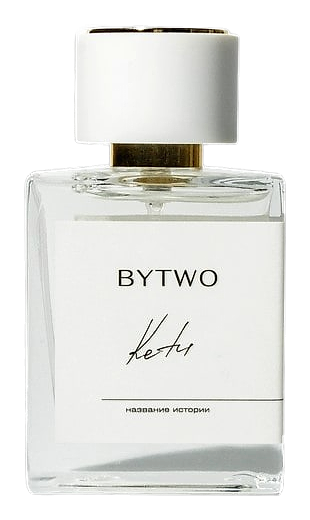
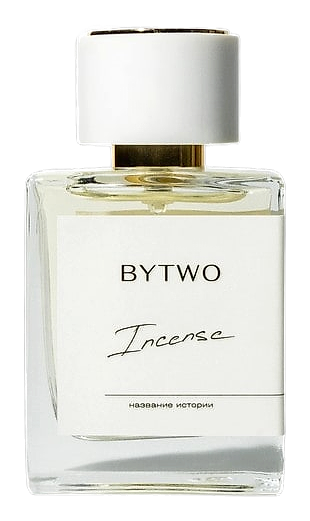
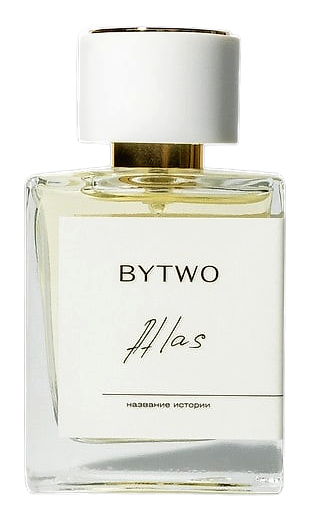
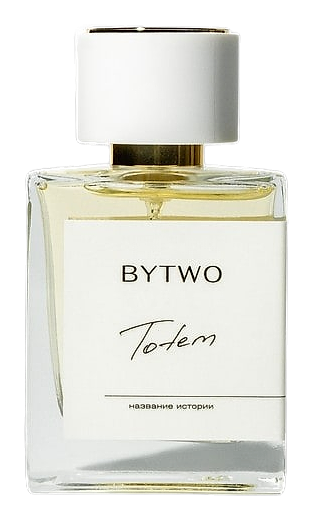
The available record for BYTWO is limited, and much of the search material conflates the name with unrelated businesses, including Byredo and ByTwoFields. Byredo is a separate Stockholm fragrance house founded in 2006 by Ben Gorham, while ByTwoFields appears in social media posts connected to interior decor. Neither should be treated as part of BYTWO's history. What can be verified is the presence of a BYTWO fragrance catalogue and the release dates attached to several of its titles. Ketu, Bloom, Incense, Totem, and Atlas are all listed with 2022 dates in fragrance databases and retailer listings, while The One appears as a notable BYTWO fragrance without a confirmed launch year in the supplied material. This 2022 cluster suggests a concentrated period of catalogue development around that year, although the date of the house's founding and the identity of its founders are not established by the available sources. Rather than fill those gaps with invention, it is worth noting that BYTWO's heritage, as the public record presents it, is recent and product-led. The names carry the weight: Ketu suggests a deity or place, Bloom points toward floral growth, Incense evokes ritual and atmosphere, Totem implies emblem and origin, and Atlas conjures mapping, distance, and exploration. Read together, they form a vocabulary of substance and meaning, a fitting foundation for a house built on scent narratives. BYTWO's creative direction is most legible through its naming. The One reads as a singular statement, an idea made explicit. Ketu, a name associated with Shiva in Hindu tradition, opens the door to something older and more symbolic. Bloom, Incense, Totem, and Atlas each function as a point of reference, a person, a season, a practice, an object, or a map. This is a house that appears to compose around evocative concepts rather than around a single olfactive family. The titles sit comfortably alongside an oriental-leaning catalogue, where incense and woods carry familiar cultural weight and florals provide contrast. Atlas, described in listings as unisex, signals an inclusive approach to scent, one that resists assigning fragrance to a specific gender. The One, likewise, points toward universality by the logic of its name. For a discovery platform, this conceptual clarity matters. A shopper browsing BYTWO does not need to decode a dense note pyramid to understand the proposition. The name arrives first as an invitation, and the fragrance details follow. There is also an implicit contrast worth noting between this house and the wider field of minimal, image-led fragrance brands, where the visual identity often overwhelms the words. BYTWO lets the scent names do the talking.