






Heritage
A house, in its own words
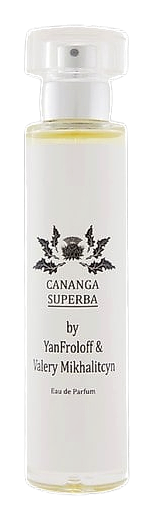
The available record for By Yan Froloff & Valery Mikhalitcyn centers on a collection launched in 2016. That year anchors the brand's documented fragrance history, with titles such as Spes, Cananga Superba, Magnolia Acida, Iris Invida, Wisteria Gulosa, Rosa Avara, Jasminum Iratum and Osmantus Luxuriosus appearing under the By Yan Froloff & Valery Mikhalitcyn name. The two-part naming convention points to the creative partnership between Yan Froloff and Valery Mikhalitcyn, treating both names as part of the label itself. Yan Froloff is identified in the available documentation as the nose behind Jasminum Iratum, while no perfumer credits are currently linked to the broader collection in the available database. Little else is documented about the brand's origins, geographic base or early development. No founding narrative, company timeline or biographical detail for the two creators has been corroborated by the sources consulted here, so the specifics of how the collaboration began remain unverified. What is clear is the shape of the catalogue and the concentration of releases around a single year, which suggests a deliberate launch of multiple compositions rather than a gradual, long-established house building a portfolio over decades. For fragrance enthusiasts, the collection sits within the niche category, where small runs, distinctive naming and individual scent profiles matter more than the scale of a historic perfume house. The naming gives a clear signal about the creative intent behind By Yan Froloff & Valery Mikhalitcyn. Each fragrance carries a formal botanical designation, with Magnolia Acida, Iris Invida, Wisteria Gulosa and Jasminum Iratum all using Latinised or taxonomic language, while Rosa Avara and Osmantus Luxuriosus follow a similar convention. Cananga Superba names the ylang-ylang flower in botanical terms, and Spes carries a separate Latin reference. This suggests a creative direction rooted in the vocabulary of botany and perfumery tradition, where the fragrance title names the aromatic subject rather than describing a mood or occasion. The decision to present the collection under a shared creative pairing, rather than assigning each piece to a house, reinforces the sense of a working partnership behind the compositions. The documented presence of unisex releases also points to a category-neutral philosophy. Rather than dividing the range into separate lines for men and women, the fragrances are offered on their own terms, judged by structure and aroma. The result is a catalogue that reads like a study in flowers and their character, presented with the formal precision of a specimen collection.