


Heritage
A house, in its own words
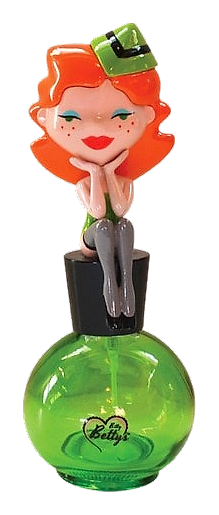
The available record on Bitty Bettys is unusually thin for a perfume house, and that scarcity is itself part of the story. Fragrance databases confirm four releases in 2014 (Rita, Cindy, Liberty, Betty) and a tagline of 'Loving perfume on the internet since 2000,' which points to an online-first origin rather than a brick-and-mortar couture house. No founder is publicly named in any independent fragrance reference, and no parent company, atelier location, or formal press launch has surfaced in the sources reviewed. This opacity stands in contrast to the long-paper-trail perfume dynasties such as Houbigant (operating since 1775) or Bettys of Harrogate (opened 1919 by Frederick Belmont), both of which appear in adjacent search results but are unrelated entities. Bitty Bettys appears to have built its identity almost entirely through its bottles and its web presence, a path that became more common in the 2000s as niche perfumery moved from department store counters to independent e-commerce. The year 2014 marks the brand's single verifiable creative milestone: a synchronized debut of four perfumes that share a naming convention (short, female first names) and a likely shared aesthetic. Betty, the namesake piece, remains in production according to Parfumo's database entry. Beyond that, the public-facing history is limited, which leaves room for the brand's small fanbase to fill in the story themselves. Bitty Bettys operates on the logic of character over catalog. Rather than building dozens of flankers or seasonal variations, the house released four perfumes simultaneously and seems content to let each one stand as a distinct persona. Rita, Cindy, Liberty, and Betty function almost like a cast list, and the fact that none has been discontinued (at least within the databases tracked here) suggests a curatorial instinct: keep the lineup small, keep each name alive. The branding leans into intimacy. Short, affectionate first names, a diminutive in the brand name itself, and a web-native origin ('since 2000') all signal a label built for personal, one-to-one relationships with wearers rather than mass-market reach. The perfume called Betty, described in Parfumo's database with top notes of orange and tea and a middle of freesia, demonstrates the brand's taste for accessible, food-and-floral accords that read as friendly rather than austere. There is no published manifesto, no perfumer of record, and no creative director credit. That silence can be read as either confident restraint or simply the quiet posture of a small house. Either way, the philosophy that emerges from the evidence is one of personality-driven perfumery: small batch in spirit, web-first in distribution, and content to let a four-piece lineup do the talking.