






Heritage
A house, in its own words
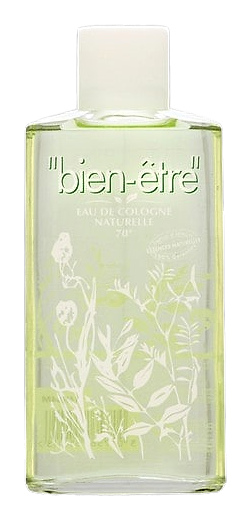
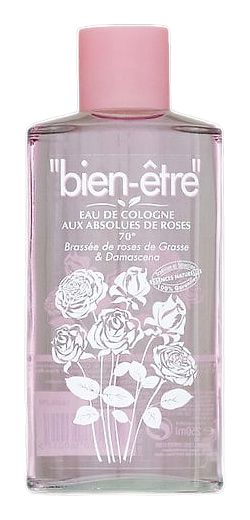
Bien-Etre traces its origins to 1774, placing it among the earliest houses of French perfumery. While most perfume enthusiasts are unfamiliar with its name, the house has maintained a quiet presence in the fragrance world for more than two and a half centuries. The founding period coincides with an era when French perfumery was establishing itself as an art form and commercial enterprise, predating many houses that are now considered industry pillars. Throughout its history, Bien-Etre focused on a specific niche: producing quality colognes and accessible fragrances rather than pursuing high-fashion luxury positioning. The house remained an independent institution for much of its existence before becoming part of a Mauritian group, a transition that brought new resources while preserving the brand's traditional approach to fragrance creation. The earliest documented fragrance in the Bien-Etre catalog, Eau de Cologne Naturelle, appeared in 1962, followed by Eau de Lavande Naturelle in 1965, establishing a pattern of releasing colognes under descriptive French names that immediately communicate their character. This naming convention has remained consistent across subsequent releases, signaling transparency and a commitment to classical perfumery terminology. Bien-Etre operates on the principle of making traditional French fragrance craftsmanship accessible to a broad audience. Rather than chasing trends or positioning itself within the luxury segment, the house has maintained focus on core olfactory families that have defined French perfumery for generations. The philosophy emphasizes clarity of scent, straightforward labeling, and formulations designed for daily wear rather than special occasions alone. This approach reflects a belief that quality fragrance need not carry prohibitive pricing or exclusivity constraints. The emphasis on botanical and natural-sounding ingredient names in product titles suggests an orientation toward transparency and an appreciation for traditional perfumery vocabulary. The house appears to view fragrance as a practical pleasure rather than a luxury statement, a stance reflected in both its naming conventions and its consistent focus on cologne formats.