The Heritage
The Story of Berceuse Parfum
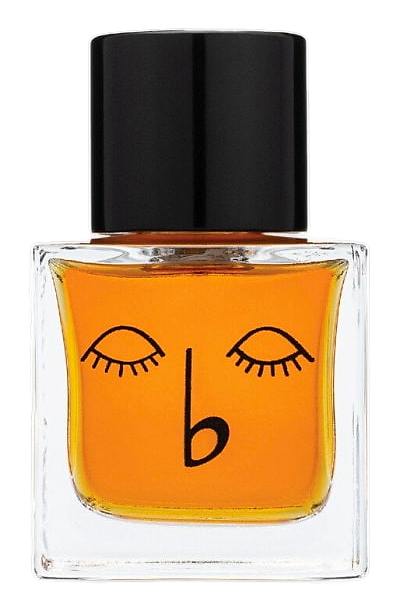
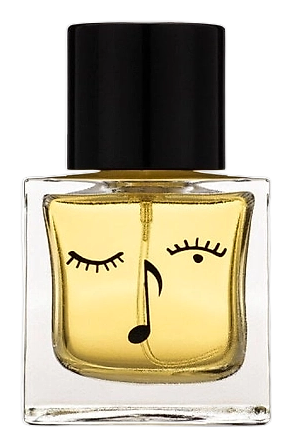
Berceuse Parfum is a boutique fragrance house that translates musical and urban motifs into scent. Based in France, the label releases limited‑edition compositions that balance classic raw materials with contemporary synthetics. Its catalogue, still small, includes the 2020 Allegretto 7.2 and the 2022 Minneapolis 5.3, each presented in understated amber bottles.
Heritage
The name Berceuse, French for lullaby, first appeared on a perfume label in the early 2010s. Independent fragrance forums trace the brand’s launch to 2014, when a small collective of former industry perfumers decided to create a house that would treat scent like a composition rather than a product line. The founders kept a low public profile, opting for discreet releases that circulated through niche retailers and online communities. In 2020 the house introduced Allegretto 7.2, a scent that quickly attracted attention for its precise balance of citrus top notes and a warm amber base. Two years later Minneapolis 5.3 arrived, drawing inspiration from the Midwestern city’s architectural rhythm and pairing it with a smoky cedar heart. By 2023 the brand secured its first dedicated distributor in the United States, expanding its reach while preserving the small‑batch ethos that defined its early years. Throughout its history, Berceuse Parfum has avoided mainstream advertising, relying instead on word‑of‑mouth among collectors and detailed entries on fragrance databases such as Fragrantica. The brand’s modest growth reflects a deliberate choice to remain independent, allowing it to experiment with unconventional ingredient pairings without the pressure of mass‑market sales targets.
Craftsmanship
Production takes place in a modest workshop near Grasse, the historic heart of French perfumery. Raw materials are sourced from both traditional growers and modern suppliers; for example, the rose absolute used in Allegretto 7.2 comes from Bulgarian fields that have been cultivating the flower for generations, while the synthetic sandalwood note in Minneapolis 5.3 is produced by a certified European lab that follows REACH guidelines. Each batch is hand‑mixed by a team of fewer than ten artisans, who follow a strict temperature and humidity protocol to preserve the integrity of volatile ingredients. The house limits each release to roughly 500 bottles, a figure that allows thorough quality checks at every stage. After maceration, the perfume is filtered through stainless steel mesh and then transferred into hand‑blown amber glass that protects the fragrance from light. Quality control includes gas chromatography analysis to verify the concentration of key accords, ensuring that every bottle matches the creator’s original brief. The brand also collaborates with independent labs for stability testing, confirming that the scent evolves gracefully over a three‑year period. This blend of artisanal care and scientific rigor reflects Berceuse Parfum’s commitment to delivering a scent that feels both intimate and reliable.
Design Language
Visually, Berceuse Parfum favors restraint. Bottles are simple amber or clear glass with a thin, matte‑finished cap that bears the brand’s name in a modest sans‑serif font. Labels are printed on recycled paper, featuring only the fragrance name, a numeric code and a brief line of inspiration; no ornate graphics or excessive branding appear. The numeric code, such as 7.2 for Allegretto, hints at the composition’s internal structure, inviting collectors to explore the series like a catalogue of movements. Marketing materials echo this minimalism, using muted colour palettes and clean typography in both print and digital assets. Store displays often consist of wooden trays that showcase the bottles alongside a small card describing the scent’s narrative. This aesthetic reinforces the brand’s philosophy of letting the perfume speak for itself, without visual distraction. Even the website mirrors the same design language, offering a calm browsing experience that feels more like a private gallery than a commercial storefront.
Philosophy
Berceuse Parfum approaches each creation as a movement in an unseen orchestra, where notes are chosen for their relational impact rather than their individual fame. The house emphasizes storytelling through scent, often naming a fragrance after a musical term or a city that has inspired the composition. This practice signals a belief that olfactory experiences can evoke memory in the same way a melody does. Sustainability also informs the brand’s decisions; packaging is designed for recyclability and the company prefers suppliers who practice ethical farming. Transparency is another pillar: ingredient lists are published on the brand’s website, and any synthetics used are disclosed with their functional role. The collective behind Berceuse states that a perfume should feel like a personal soundtrack, adaptable to the wearer’s mood and environment. This vision guides everything from raw material selection to the quiet launch strategy that avoids hype in favor of genuine discovery.
Key Milestones
2014
Berceuse Parfum founded by a collective of former perfumers seeking a composition‑focused approach.
2020
Launch of Allegretto 7.2, the brand’s first widely recognized fragrance, noted for its citrus‑amber balance.
2022
Release of Minneapolis 5.3, a scent inspired by the architecture and atmosphere of the American city.
2023
First dedicated U.S. distributor partnership established, expanding availability while keeping batch sizes limited.
2024
Introduction of fully biodegradable packaging for all new releases, aligning with the brand’s sustainability goals.
At a Glance
Brand profile snapshot
Origin
France
Founded
2014
Heritage
12
Years active
Collection
1
Fragrances released
Avg Rating
3.7
Community sentiment
Release Rhythm


