The Story
Why it exists.
The beginning
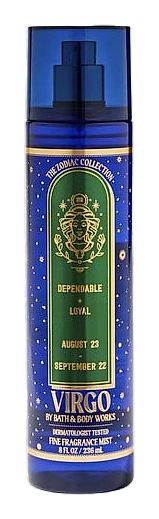
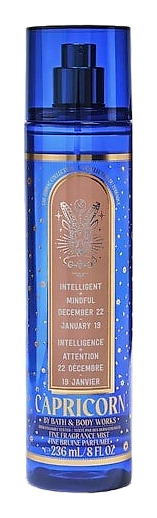
Capricorn belongs to Bath & Body Works' Zodiac Collection, twelve fragrances, twelve signs, each one a character study in symbolic resonance. The Capricorn fragrance had one job: translate the goat's energy into scent. Earth sign. December birthdays. The sign that climbs and doesn't stop until it gets there. The brief called for something that felt like quiet ambition, not loud, not trying too hard, but built to last. Rose petals opened the brief immediately. Cocoa flower gave it depth. Cream held it all together like a promise kept.
What makes Capricorn work is the tension between its notes. Rose petals are clean, almost austere, the florist's precision, petals still holding their shape. Cocoa flower is different from cocoa powder or chocolate absolute; it's lighter, greener in its warmth, the scent of the blossom rather than the bean. The whipped cream accord is what pulls them together, not vanilla, not sugar, but that airy dairy quality that makes everything feel approachable. This isn't a fragrance that fights with itself. It's one that knows exactly what it is.
The evolution
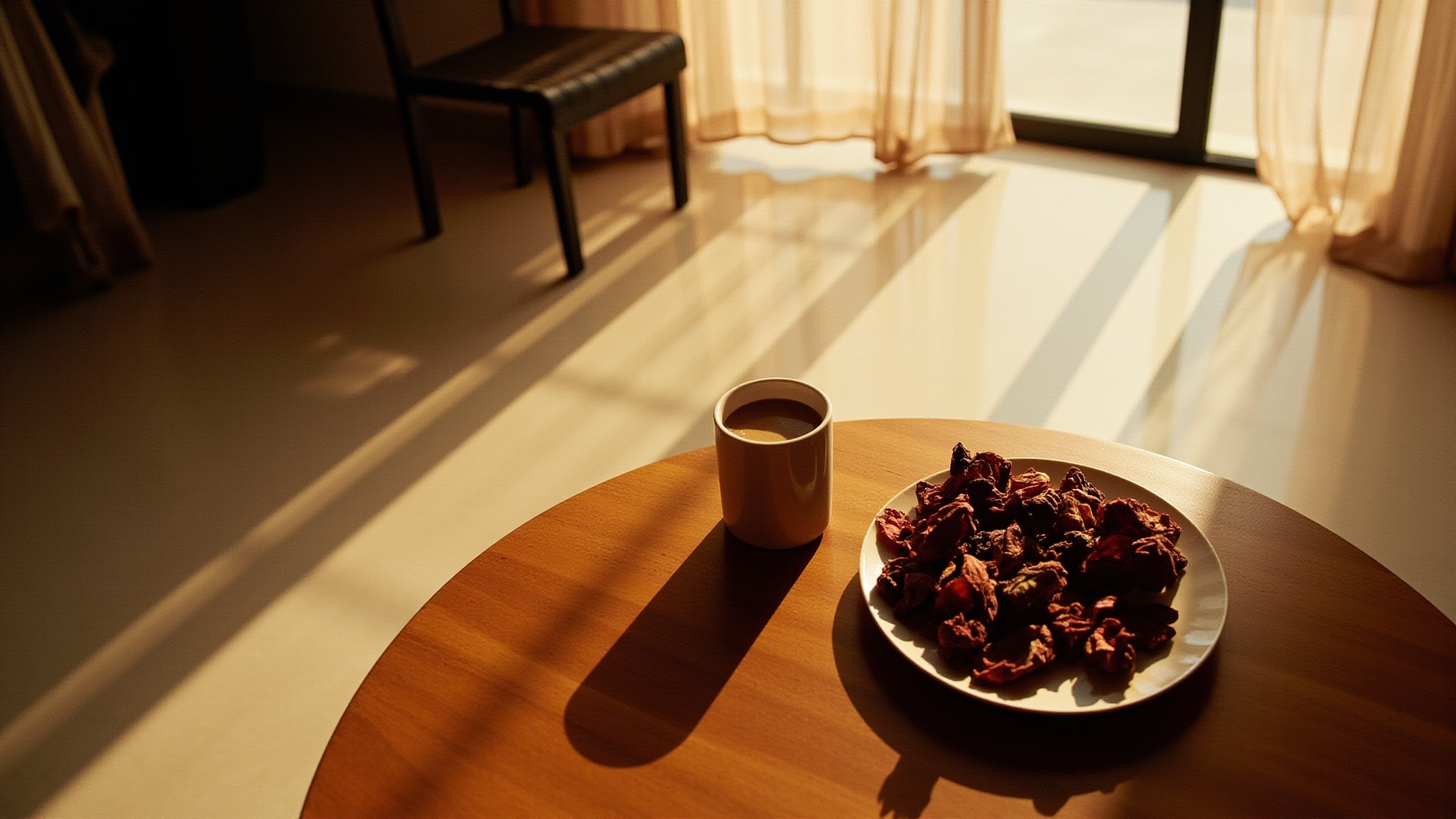
The rose opens crisp, petals fanning out with geometric precision. Thirty minutes in, the cocoa flower emerges, warm but restrained, like sunlight through a window rather than a bonfire. The cream arrives softly, rounding the edges, making the rose less sharp and the cocoa less austere. By hour three, you've got something close to skin but better, a warm floral that's intimate without being heavy. It doesn't project aggressively, but if someone gets close enough to notice, they'll remember it. Lasts through a full workday on most skin types, fading into a quiet clean cotton finish that lingers well into evening.
Cultural impact
The Zodiac Collection dropped in December 2025, landing in the sweet spot between gift-giving season and the start of a new year, when people are thinking about who they want to become. Capricorn found its audience among those who wanted something warmer and more interesting than the usual holiday florals. It performs best in fall and winter, when its cocoa warmth reads as comfort rather than heaviness.