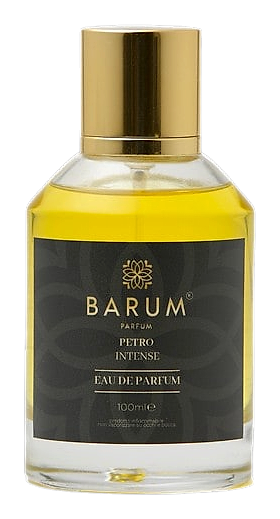
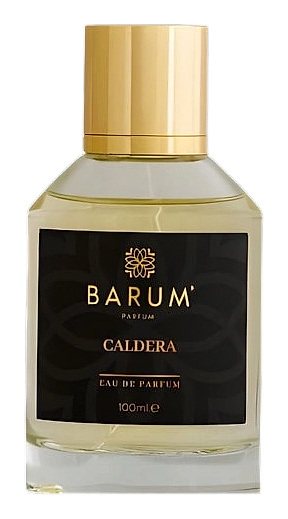



The Heritage
The Story of Barum Parfum
Barum Parfum emerged in 2022 as an independent fragrance house anchored in Sicily’s cultural landscape. The label quickly built a modest catalogue, debuting a quartet of "Intense" scents that echo the island’s maritime and volcanic character. With a focus on artisanal creation rather than mass‑market distribution, Barum positions itself as a niche player for collectors seeking a distinct sense of place in each bottle.
Heritage
The story of Barum Parfum begins in the summer of 2022, when a small collective of Sicilian entrepreneurs decided to translate the island’s rich sensory heritage into perfume form. Their venture, announced in an article by Grazia Baudo Artigiani, stresses a connection to local traditions, from the citrus groves of the coast to the mineral notes of Mount Etna. The founders chose the name Barum to evoke the historic Barum region, an area known for its ancient trade routes and aromatic herbs. Within months of its launch, the house released four "Intense" fragrances—Evan, Poseidone, Petro and Crono—each named to reflect a facet of Sicilian life: the sea, the earth, the fire and the passage of time. In 2024 the brand expanded its narrative with Caldera, a scent that references the volcanic calderas that dominate the island’s geography. Though still young, Barum has cultivated a reputation among regional perfume enthusiasts for its commitment to place‑based storytelling and for maintaining production in small batches that respect the island’s artisanal legacy. The house’s evolution mirrors a broader resurgence of micro‑brands in Italy that prioritize terroir and craftsmanship over global scale, a movement noted by industry observers in recent years.
Craftsmanship
Production at Barum Parfum unfolds in a modest workshop located near Palermo, where a handful of trained artisans blend each formula by hand. The house sources many of its raw ingredients from local farms: Sicilian blood orange peels, wild rosemary from the Madonie mountains, and volcanic salt harvested from Etna’s slopes. For more exotic components—such as ambergris or rare woods—the brand works with vetted suppliers in the Mediterranean basin, ensuring traceability and compliance with environmental standards. The blending process follows a traditional maceration schedule: essential oils are combined with a high‑grade ethanol base and left to mature for a period ranging from three weeks to several months, depending on the fragrance’s complexity. Quality control involves periodic organoleptic testing by the founding perfumers, who assess balance, longevity and projection. Bottles are hand‑filled in a temperature‑controlled environment to preserve aromatic integrity. The packaging employs amber glass to protect the liquid from light, and each cap is sealed with a natural cork, reflecting the house’s commitment to minimal environmental impact. Though the scale remains limited—typically under 500 units per release—Barum maintains rigorous standards akin to those of larger niche houses, prioritizing consistency and purity over volume.
Design Language
Visually, Barum Parfum adopts a restrained design language that mirrors the island’s rugged elegance. Bottles feature a slender, cylindrical silhouette with clean lines, finished in matte amber glass that hints at the volcanic ash of Etna. Labels are printed on recycled paper, bearing a simple typographic treatment: the brand name in a modest serif font, accompanied by the fragrance title in a slightly larger weight. A subtle illustration—a stylized outline of a Sicilian landmark, such as a lighthouse or a lava flow—appears on the back, offering a visual cue to the scent’s inspiration. The caps are crafted from sustainably sourced cork, adding a tactile contrast to the glass. Marketing imagery often showcases the fragrances against natural backdrops: sun‑kissed cliffs, citrus orchards, or the misty interior of a volcanic crater, reinforcing the narrative of place. This aesthetic avoids overt luxury tropes, opting instead for an understated elegance that appeals to connoisseurs who value authenticity over flash.
Philosophy
Barum Parfum’s creative outlook rests on the premise that scent can act as a cultural map. The brand states that each fragrance should capture a specific element of Sicilian identity—whether the salty breeze of the Mediterranean, the smoky ash of volcanic soil, or the bright zest of local citrus. This place‑centric philosophy guides the selection of raw materials, encouraging collaborations with regional growers who practice sustainable harvesting. Barum also emphasizes transparency: ingredient lists are disclosed on the bottle, and the house invites consumers to learn about the provenance of each note. Rather than chasing fleeting trends, the label prefers timeless compositions that age gracefully on the skin, reflecting a belief that perfume should accompany the wearer through different chapters of life. Ethical considerations feature prominently; the house avoids animal testing and seeks certifications where possible, aligning its values with a growing consumer demand for responsible luxury. In interviews, the founders have described their work as a dialogue between past and present, aiming to preserve Sicily’s olfactory heritage while interpreting it through contemporary perfumery techniques.
Key Milestones
2022
Barum Parfum is founded in Sicily as an independent fragrance house.
2022
Launch of Evan Intense, the first of a quartet of "Intense" fragrances.
2022
Release of Poseidone Intense, drawing on maritime themes.
2022
Petro Intense debuts, inspired by volcanic earth tones.
2022
Crono Intense arrives, evoking the passage of time on the island.
2024
Caldera is introduced, referencing Etna’s volcanic calderas.
At a Glance
Brand profile snapshot
Origin
Italy
Founded
2022
Heritage
4
Years active
Collection
1
Fragrances released
Avg Rating
4.3
Community sentiment
Release Rhythm


