Heritage
A house, in its own words
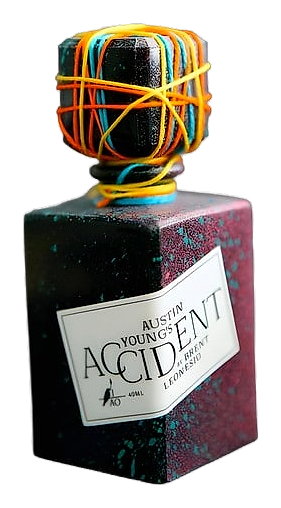
There is no verifiable founding story in the supplied research for Austin Young. No founding year, founder name, city of origin, company registration, or first address is provided, and the search results do not include a credible brand profile that could establish these details. The only direct connection between the name Austin Young and fragrance is the title Accident, recorded as a notable release from 2013. The remaining results refer to separate subjects, including a Penhaligon's pop-up in Austin, the historic French perfume house L.T. Piver, independent fragrance retail in Austin, Austin Street Center, Austin Aroma Academy, perfumer Paul Austin, and a fragrance called St. Augustine's Forever Young. Their shared use of the word Austin creates search noise rather than documentary evidence about Austin Young. Without an archival company page, a dated advertisement, a catalogue, or coverage from an independent fragrance publication, the brand's beginnings cannot be traced responsibly. Any account of milestones would need to remain provisional until those primary or independently corroborated records are found. It is equally important not to describe the company as old, new, British, American, or independent without supporting evidence. The defensible historical record is narrow but genuine: Austin Young entered the available fragrance database with Accident in 2013. No statement from Austin Young, creator interview, launch announcement, or independent discussion of the house's creative principles appears in the supplied material. As a result, it is not possible to attribute a defined artistic philosophy to the brand or to connect the name with broader ideas about perfumery. The title Accident may invite interpretation, but the meaning cannot be confirmed from the research. Treating an evocative product name as a brand manifesto would turn a guess into a stated fact. Likewise, there is no basis for assigning the house a particular olfactory signature, such as an emphasis on woods, florals, spice, freshness, or unconventional composition. The absence of documented perfumers is notable. The database explicitly lists none, but the supplied research does not explain whether Accident was composed in-house, outsourced, credited later, or released under a collaborative arrangement. That distinction matters when assessing authorship and creative continuity. A responsible profile should therefore resist completing the picture through familiar industry language. Austin Young can be presented as a name attached to the 2013 fragrance Accident, while questions of intention, collaboration, and aesthetic identity remain open pending better sources.