




Heritage
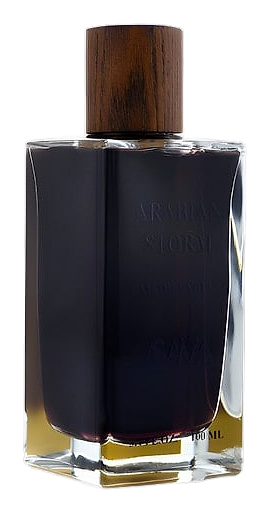
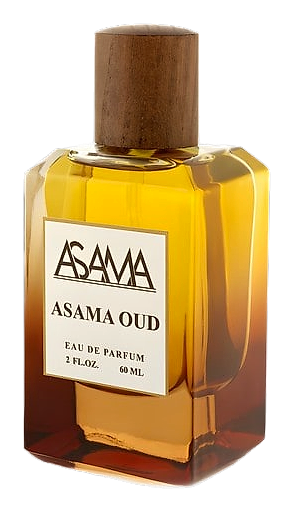
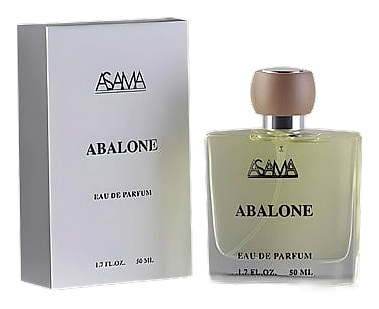
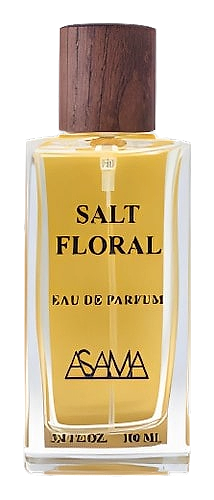
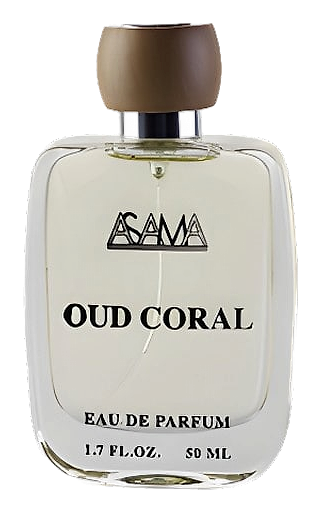
A house, in its own words
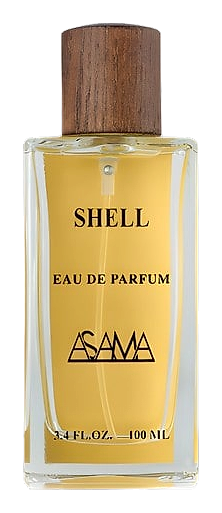
ASAMA’s documented catalogue begins in 2011, the year associated with Sand, 40M and Abalone. The early range already established the house’s interest in elemental names and contrasting sensory worlds. Sand suggests heat, texture and dry landscapes, while Abalone and Shell point toward the visual language of the sea. Oud Coral followed in 2012, bringing together the house’s interest in traditional Middle Eastern perfume materials with a marine reference. Asama Marine and Salt Floral appeared in 2015, extending that coastal vocabulary with a pronounced floral character. The catalogue expanded further in 2016 with Asama Oud, Shell, Ocean and ASAMA Limited Oud, showing how the brand continued to pair oud compositions with nature-inspired releases rather than treating the two as separate categories. Independent fragrance archives list 22 ASAMA creations spanning 2011 to 2021 and credit two artisans, but the available sources do not establish the house’s founding year, founder, original location or the circumstances behind its establishment. The brand’s own materials describe ASAMA as a boutique house inspired by nature and Middle Eastern tradition. That description fits the visible catalogue, where oud, musk, florals and maritime imagery recur across several years. It should not be mistaken for a fully documented corporate history. What can be verified is a sustained creative direction: ASAMA developed recognizable scent families around sand, marine life, coral, salt, flowers and oud, building an archive that feels related by atmosphere rather than by a single uniform olfactory signature. ASAMA’s creative direction is clearest through its naming. Sand, Abalone, Shell, Salt Floral, Ocean and Asama Marine evoke specific landscapes and natural surfaces, while Oud Coral and ASAMA Limited Oud bring the Middle Eastern tradition into direct conversation with the brand’s coastal imagery. This pairing gives the house a flexible identity, grounded less in abstract fragrance language than in remembered places. The 2015 release Salt Floral, for example, appears designed to complicate the division between mineral freshness and floral softness, while Oud Coral pairs a valued regional perfume material with the colour and organic associations of coral. The available descriptions also present ASAMA as a boutique house influenced by nature and Middle Eastern perfumery. Those themes appear consistently across the catalogue, suggesting a deliberate attempt to make fragrance feel connected to environment, material and cultural imagery. The archive includes compositions for women and men, with musk and floral classifications forming a broad structural backdrop. Without confirmed information about the house’s perfumers or detailed briefs, it would be unsafe to attribute a more technical creative process to ASAMA. Still, the repeated references to sea, shore, salt and sand show a brand that builds fragrance through atmosphere, using names as invitations to imagine a setting before the scent is worn.