Heritage
A house, in its own words
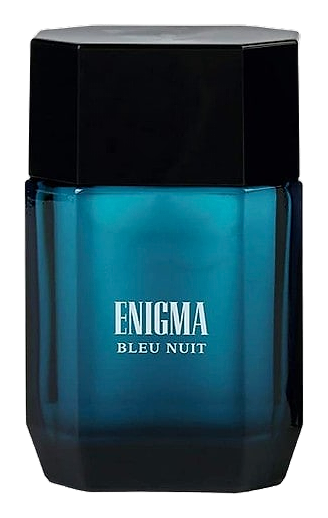
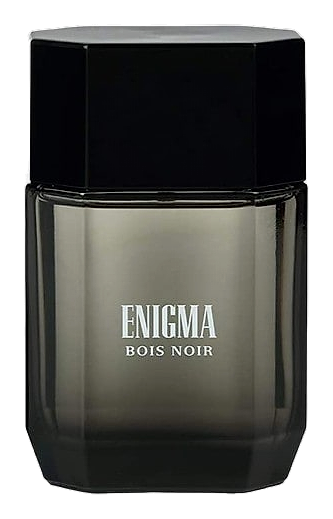
The available research does not establish a founding year, founder name or headquarters location for Art & Parfum, so the brand's earliest story remains undocumented in the sources gathered. Its clearest public marker is the Enigma line, with Enigma Bois Noir and Enigma Bleu Nuit both dated to 2021. The name Art & Parfum itself points directly to the house's creative positioning, joining the language of art with that of perfumery. One profile describing a related concept, Art de Parfum, explains that founder Ruta Degutyte created the project around the idea that small objects of beauty, including a bottle of perfume, can hold personal and emotional significance. That account belongs to a similarly named venture rather than confirmed Art & Parfum history, so it is best read as a cultural parallel rather than company lineage. The broader context of French perfumery helps frame the brand's setting. Guerlain's first boutique opened on rue de Rivoli in Paris in 1828, a founding act that helped anchor the city's reputation as a center of fragrance. Art & Parfum sits within that wider tradition of treating scent as a crafted cultural form, even though its own origins are not documented in the available material. For now, the house is defined by its output and its artistic sensibility rather than by a long parade of milestones. Art & Parfum frames fragrance as an art form and the bottle as an object of beauty, an idea that shapes both its naming and the mood of its releases. The Enigma collection rests on this foundation, with titles that suggest mystery, introspection and atmosphere rather than literal descriptions of ingredients. Enigma Bois Noir, released in 2021, carries a woody register in its very name, while Enigma Bleu Nuit, also from 2021, turns toward the darker hours through imagery of a blue night. That pairing reveals a consistent instinct: the house seems drawn to the introspective and the nocturnal, to scent as something that accompanies reflection rather than merely announcing presence. The approach also aligns with a long history of fragrance as a vehicle for fantasy, mystery and imagination, a quality discussed in broader cultural accounts of perfume. Notably, the house has not publicly linked a perfumer to these compositions in the available sources, which leaves the creative authorship less formally documented than the artistic framing. For a discovery platform, this makes Art & Parfum a case of reading scent through language and mood, letting names like Enigma do part of the interpretive work before the fragrance is even opened.