




Heritage
A house, in its own words
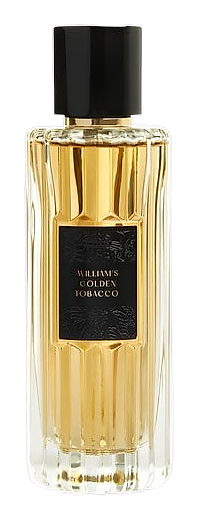
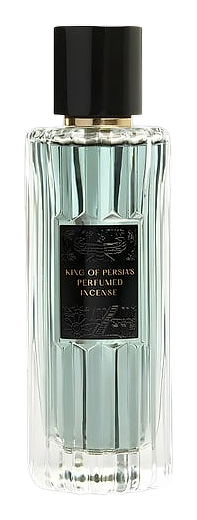
The House of Houbigant traces its operations to 1775, when the original house was established in Paris. Over the subsequent two and a half centuries, Houbigant survived regime changes, world wars, and the complete transformation of the fragrance industry, becoming the only perfume house documented as continuously operating through four centuries of history. The brand's early years coincided with the emergence of modern perfumery; coumarin, synthesized by British chemist William Henry Perkin in 1868, began appearing in fragrances and marked a turning point in the industry's approach to synthetic materials. AquaNobilis emerged as a separate creative entity sharing Houbigant's origin, though the precise nature of the relationship between the two houses remains somewhat opaque in available sources. The newer brand positions itself as a parallel creative path, drawing from the same historic foundation while pursuing a distinct vision. Houbigant's own trajectory included serving European aristocracy, weathering the French Revolution, and adapting to the rise of modern perfumery in the twentieth century. The connection between the two brands appears to acknowledge this shared foundation rather than suggesting AquaNobilis operates as a formal subsidiary or division. AquaNobilis released its earliest fragrance in 2024, with subsequent releases following rapidly through 2025. AquaNobilis operates from the premise that fragrance can function as biography, that a well-constructed perfume might communicate the essence of a specific person, whether that person walked through history or exists only in imagination. The brand's name itself, combining Latin words for water and noble, suggests both fluidity and elevation, a philosophy that treats scent as something that flows across boundaries between eras and personas. Rather than developing fragrances around abstract accords or seasonal moods, AquaNobilis selects specific figures as creative anchors. These figures range from documented historical personalities to legendary characters whose stories have accumulated layers of myth. The creative process appears to begin with each persona, asking what that individual might have smelled like, what their presence would have communicated, what olfactory associations their story might generate. This approach treats perfume as narrative medium rather than purely aesthetic object, inviting wearers to adopt or inhabit the character of each fragrance's namesake. The brand's presentation language emphasizes the uniqueness and power of these associations, though the specific methodology for translating a historical figure's identity into scent notes remains largely undocumented in available sources.