Heritage
A house, in its own words
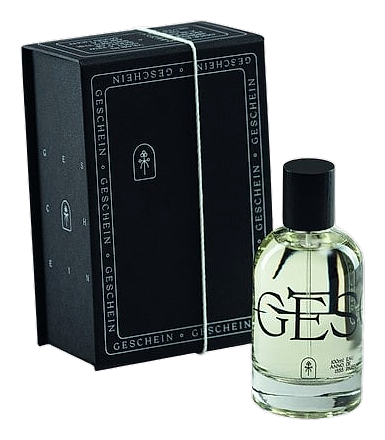
The House of ANNO 1555 draws its identity from a specific moment in European religious and political history. The year 1555 marked the Peace of Augsburg, an agreement brokered by Holy Roman Emperor Charles V that ended decades of religious conflict by establishing that the ruler of each German state would determine its official faith, whether Catholic or Lutheran. This compact represented a rare moment of pragmatic tolerance during the Reformation, and the brand name acknowledges that legacy of measured compromise and enduring stability. The choice of a historical reference rather than a founder's name suggests the house positions itself as a custodian of tradition rather than a personality-driven enterprise. Founder Werner Hauser reportedly conceived the concept for the brand's debut fragrance during his youth, when nighttime walks brought him into proximity with blooming vine flowers. The fleeting, intoxicating nature of that scent experience reportedly stayed with him for years before manifesting in GESCHEIN. Unlike fragrance houses with centuries of documented history, ANNO 1555 represents a contemporary project built upon older principles. The brand's reference to a four-century-old treaty communicates an intention to operate with historical consciousness, drawing on established European craft traditions while maintaining independence from the commercial pressures that shape most modern fragrance production. The house does not appear in historical perfume archives or trade records predating the twenty-first century, suggesting it represents a new venture rather than a revival or ancestral house. ANNO 1555 approaches perfumery as an act of patient observation rather than rapid production. The house operates without predetermined release schedules, avoiding the industry convention of seasonal launches and limited editions that create artificial scarcity. Instead, Werner Hauser reportedly waits until each fragrance achieves a quality threshold he considers satisfactory, a process that cannot be accelerated by commercial demand. This philosophy prioritizes the integrity of the final composition over market timing. The inspiration behind GESCHEIN illustrates this approach. The fleeting scent of vine flowers, available only during brief nocturnal blooming periods, represented an olfactory experience that resisted capture through conventional extraction methods. The years Hauser reportedly spent contemplating how to translate that memory into a wearable fragrance demonstrate a commitment to artistic authenticity over commercial velocity. The house appears to value restraint as a creative principle, selecting ingredients and accords that honor the ephemeral quality of natural scents rather than constructing fragrances designed for maximum sillage and longevity. This stance positions ANNO 1555 as a counterpoint to the potency-obsessed conventions of modern niche perfumery, offering instead compositions that reward close attention and intimate acquaintance.