



Heritage
A house, in its own words
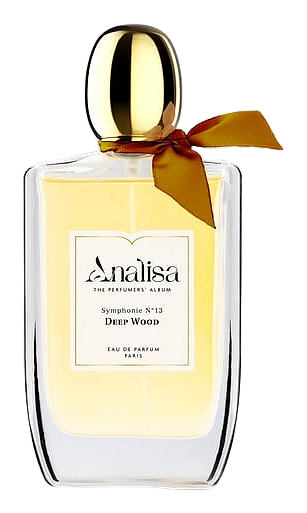
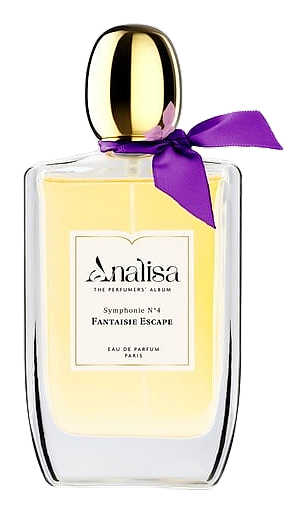
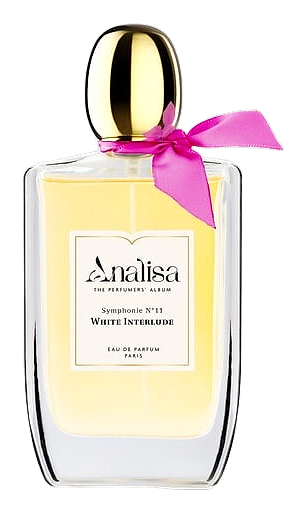
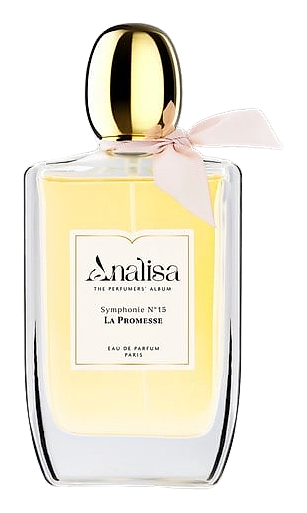
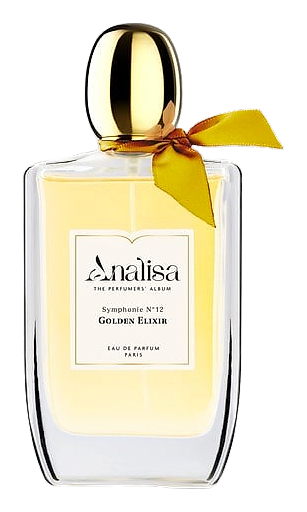
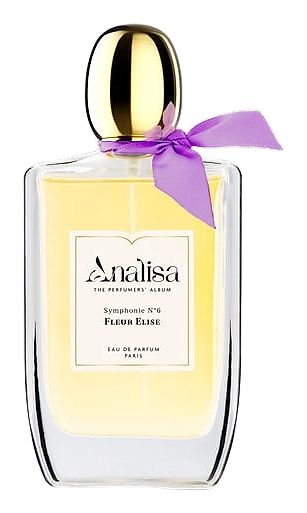
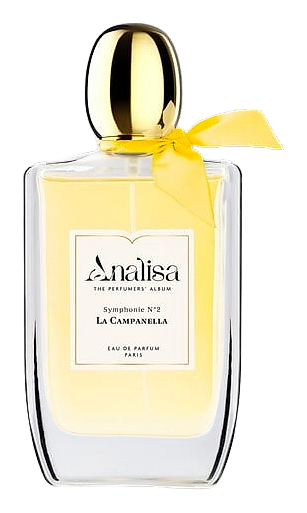
The documented history of Analisa Parfums begins in 2025, with every fragrance in the available catalogue carrying that release year. That makes it a new name in the world of independent perfumery, one whose identity has so far been expressed through its collection rather than a long public history. The supplied research does not identify a founder, a country of origin, an established house or a working relationship with a named perfumer. It would therefore be misleading to place the brand within any particular lineage of French, Italian or Middle Eastern fragrance making. What the catalogue reveals is a deliberate vocabulary. Secret Garden and Moonlight Blossom point to nature and light. Swan Danse and Fantaisie Escape suggest elegance, movement and imagination. Royal Oud, Deep Wood and Golden Elixir draw on the traditional materials of perfume culture, including oud, rich woods and sweet elixirs. White Interlude and Nocturne Mélodie return to music and timing, a pause between movements. This naming approach recalls the older idea of fragrance as a vehicle for storytelling. Long before modern houses, people across Mesopotamia and Egypt used scented oils and resins in ritual and daily life, and the practice grew into a language of mood and meaning. Analisa Parfums appears to work within that tradition in a contemporary register, offering scents whose names function as chapters in an imagined narrative. With so little verified biographical information available, the house's heritage is best described as a collection that has just begun to unfold. The clearest statement of Analisa Parfums' philosophy comes from the names of its fragrances, which read like a curated playlist of atmospheres. Secret Garden, Fantaisie Escape and Bohemian Spirit lean toward freedom, nature and wandering. White Interlude and Nocturne Mélodie treat scent as something with pacing, a pause and a nocturne. Royal Oud and Golden Elixir reach toward classic fragrance codes, while Moonlight Blossom and Deep Wood ground the line in natural imagery. This range suggests a house interested in mood rather than the demonstration of raw material alone, and in evocation rather than literal description of ingredients. The house name itself, Analisa, carries an analytical undertone, yet the collection resists clinical dryness in favour of lyricism. There is no verified evidence in the supplied material about a stated manifesto, ethical commitments, formulation standards or sustainability programme, so those areas remain unconfirmed. Nor is there any named perfumer attached to the line, which means creative authorship cannot yet be credited to an individual. What can be observed is consistency across the titles. They are evocative, they lean toward the poetic, and they cover a wide emotional register in a single 2025 launch. For a fragrance enthusiast, the result is a wardrobe that invites browsing by feeling, choosing a scent for a garden at dusk, an imagined escape or a formal evening.