Heritage
A house, in its own words
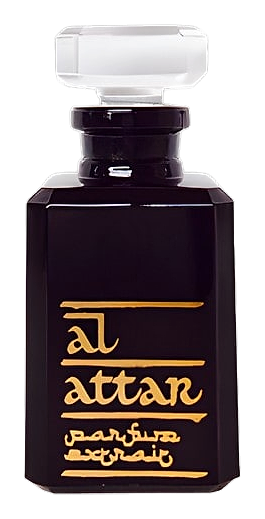
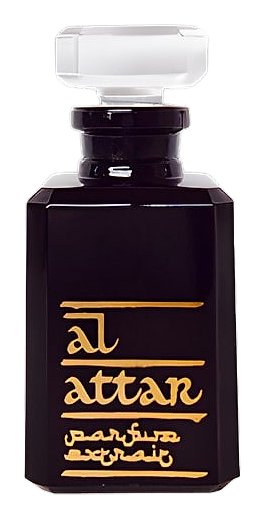
The story of Al Attar cannot be separated from the much older story of the attar tradition itself. The word attar, also transliterated as ittar or itr, comes from the Arabic, Urdu, and Hindi word for perfume, and refers to a method of fragrance making that is alcohol-free, oil-based, and centuries old. Historical accounts trace a documented lineage of perfumers under the al-Attar name as far back as the early 1700s, when Sayed Mohammed al-Attar established a House of the Perfumer in Istanbul during the Ottoman period. His household, along with that of Sayed Mehmet Al-Attar, who married Zeynep around 1720, became part of a family-run perfumery lineage that helped define the trade in that era. The al-Attar surname itself is of Arabic origin and literally translates to perfumer or fragrance seller, marking the family as part of a guild tradition rather than a single modern brand. Al Attar as a contemporary fragrance house builds on this much longer heritage, entering the market with its first recorded releases in 2014. Al Attar's creative direction draws from the enduring appeal of oil-based perfumery, a category that predates modern alcohol-based fragrance by hundreds of years. Rather than chasing trends in synthetic formulation, the house centers its work on the attar format, where a small amount of concentrated oil carries the full weight of the composition. This approach aligns with a philosophical preference for potency, longevity, and skin intimacy over the sillage-heavy projections common to mainstream sprays. The attar tradition itself is rooted in Islamic and South Asian perfume culture, where alcohol-free compositions were both a practical necessity and a refined art. By naming itself after this lineage, Al Attar signals a commitment to that older grammar of scent, where less is more and each drop is meant to last. The brand positions itself within a category that values ritual application, typically a touch on the wrist or behind the ear, and an unhurried unfolding of notes over hours rather than minutes.