






The Heritage
The Story of Aimee de Mars Parfums
Aimée de Mars is a French niche perfume house that builds each scent from botanical extracts, wheat‑derived alcohol and spring water. The brand avoids synthetic aroma chemicals, positioning its fragrances as fully natural olfactory experiences. Since its first releases in 2014, the house has expanded its catalogue with floral, woody and mineral compositions, all presented in minimalist glass bottles that echo the purity of the formulas inside.
Heritage
Valérie Demars founded Aimée de Mars in the mid‑2010s after years of working in the French fragrance trade. The earliest scents, such as Belle Rose and Folle Emeraude, appeared in 2014, marking the brand’s experimental debut. By 2015 the house was formally established in Paris, and it quickly attracted a community of scent‑enthusiasts who valued transparency in ingredient sourcing. In 2020 the company secured a patent for its Aromaparfumerie® process, a proprietary method that blends natural extracts with a wheat‑based alcohol to preserve aromatic integrity while reducing the need for synthetic stabilisers. The brand celebrated its tenth anniversary in 2025 with a limited‑edition perfume that highlighted the evolution of its natural‑only philosophy. Throughout its first decade, Aimée de Mars has maintained a small‑batch production model, distributing through select boutiques and online platforms that share its commitment to ecological responsibility. The house’s growth has been steady rather than explosive, allowing it to refine its ingredient network across France, Italy and the Mediterranean, and to keep a close relationship with the growers who supply its raw materials.
Craftsmanship
Every Aimée de Mars fragrance begins with a selection of raw botanical materials harvested at peak maturity. The house works directly with growers in Grasse, the Provençal Alps and the Mediterranean coast, ensuring that each batch of petals, leaves or resins meets strict quality criteria. Once harvested, the botanicals undergo cold‑press or steam‑distillation to extract essential oils, a step that preserves volatile compounds often lost in high‑heat processes. The extracted oils are then blended with a wheat‑based alcohol, a choice that reduces the presence of harsh solvents and aligns with the brand’s natural ethos. The patented Aromaparfumerie® technique, granted in 2020, regulates the ratio of alcohol to oil and introduces a micro‑filtration stage that removes impurities while retaining aromatic depth. After blending, the mixture rests in stainless‑steel vats for several weeks, allowing the notes to harmonise naturally. Bottling occurs in a French facility that uses reclaimed glass and minimal decorative elements; each bottle is sealed with a simple metal cap that can be recycled. Quality control includes organoleptic testing by the founder and independent perfumery consultants, who verify that the scent profile matches the original brief before the perfume is released to the market.
Design Language
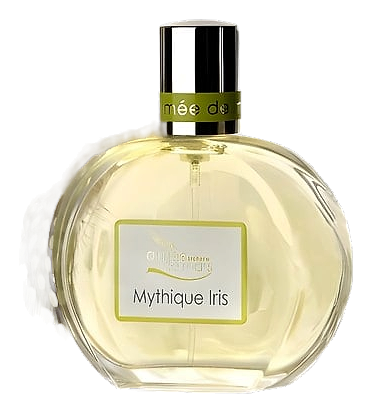
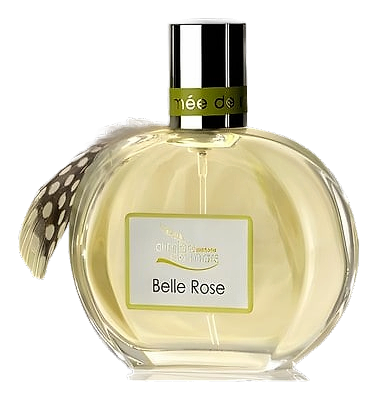
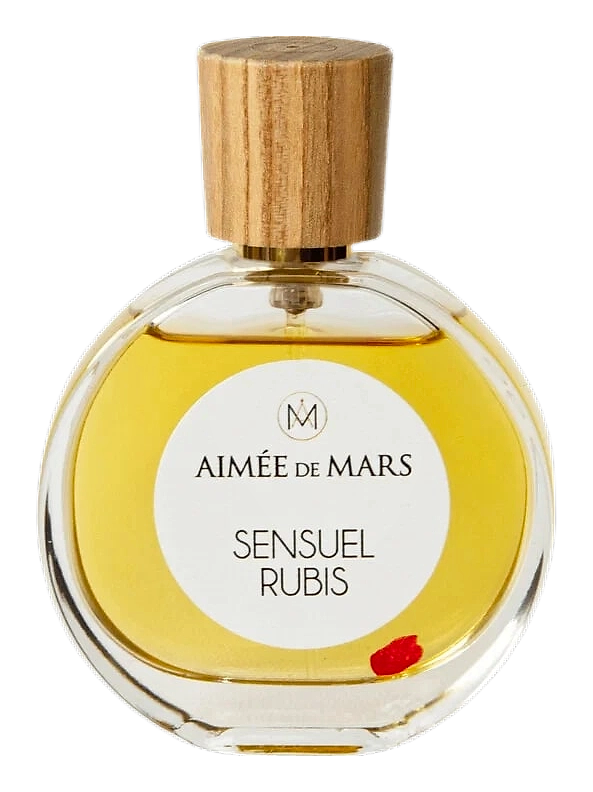
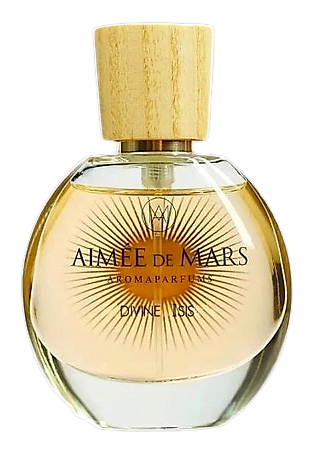
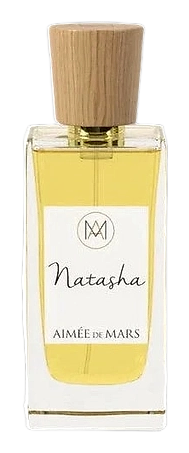
Visually, Aimée de Mars adopts a restrained aesthetic that mirrors its ingredient‑first philosophy. Bottles are clear, cylindrical glass with thin walls, allowing the natural colour of the perfume to show through. Labels consist of a single line of black serif type on a white background, often accompanied by a small emblem that references the fragrance’s inspiration – for example, a stylised rose for Belle Rose or a geometric gemstone shape for Mystique Améthyste. The packaging is deliberately unadorned; the brand prefers matte black boxes with the same minimalist typography, reinforcing the idea that the scent itself is the focal point. Marketing imagery frequently features natural settings – fields of lavender, stone quarries or crystal‑clear water – presented in soft, natural lighting. This visual language extends to the brand’s website, where product pages display high‑resolution close‑ups of the bottles alongside concise ingredient disclosures, inviting the visitor to explore the perfume’s composition rather than a glossy narrative.
Philosophy
Aimée de Mars frames perfumery as a dialogue between plant chemistry and human memory. The brand’s creative vision rests on three pillars: authenticity, sustainability and sensory storytelling. Authenticity means using only ingredients that can be traced back to a botanical source, which the house documents in its ingredient lists. Sustainability drives choices such as wheat‑derived alcohol, recyclable glass, and partnerships with farms that practice low‑impact agriculture. Sensory storytelling guides each composition, with the nose (often an unnamed collaborator) translating the scent of a single flower or mineral into a narrative that can be worn daily. The company’s statements, found on its own site and in interviews, stress that natural does not equal limited, and that modern extraction techniques can capture the complexity of a blossom without resorting to synthetics. This philosophy informs everything from product naming – often referencing gemstones or mythic figures – to the decision to forgo animal testing and to use spring water sourced from protected French aquifers.
Key Milestones
2014
First fragrances such as Belle Rose, Folle Emeraude and Mythique Iris launched, establishing the brand’s natural‑only approach.
2015
Aimée de Mars formally incorporated in Paris, beginning small‑batch production and boutique distribution.
2020
Patent granted for the Aromaparfumerie® process, codifying the brand’s method of blending natural extracts with wheat alcohol.
2022
International expansion through curated online retailers, bringing the line to markets in the United States and Asia.
2025
Tenth anniversary celebrated with a limited‑edition perfume that highlighted the evolution of the house’s natural philosophy.
At a Glance
Brand profile snapshot
Origin
France
Founded
2015
Heritage
11
Years active
Collection
3
Fragrances released
Avg Rating
4.0
Community sentiment
Release Rhythm


