Heritage
A house, in its own words
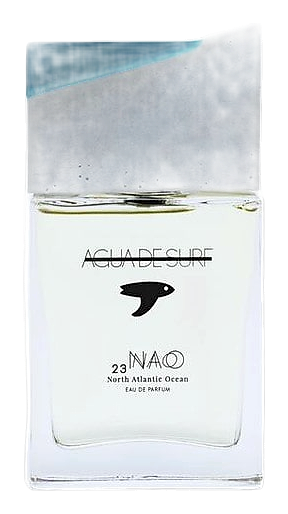
The story of Agua de Surf begins with two entrepreneurs, Idil Bazán and Marc Conca, who shared both a passion for surfing and an interest in fragrance. Unlike houses with centuries of generational expertise, Agua de Surf entered the perfumery world as outsiders, bringing fresh perspective rather than inherited tradition. Their backgrounds do not appear in fragrance industry records, suggesting they came to perfumery from other professional paths. The decision to launch a fragrance centered on surfing culture represented a calculated gamble on an underserved market. Surfing has generated extensive visual and lifestyle branding, yet the sensory dimension of the experience remained largely unexplored in fine fragrance. The founders identified this gap and pursued it with a product they believed filled a genuine void. They engaged a Master Perfumer to translate their vision into formula, a process that required articulating the sensation of ocean immersion in chemical terms. The resulting fragrance, 23NAO North Atlantic Ocean, launched in 2018 and drew attention for its conceptual clarity. The acronym 23NAO references the North Atlantic Ocean, grounding the abstract concept of surfing in geographic specificity. The brand's subsequent activities have centered on marine conservation partnerships, particularly with CRAM, suggesting the founders view their fragrance work as inseparable from ocean advocacy. Agua de Surf operates from the conviction that surfing offers a distinct sensory vocabulary that perfumery has yet to fully explore. The founders reject the convention that aquatic fragrances must rely on standard marine accords to suggest the ocean. Instead, they aimed to capture something more visceral, the feeling of being inside a wave rather than observing water from shore. This aspiration shapes every creative decision, from the initial concept to the final composition. The brand philosophy positions the ocean as collaborator rather than backdrop. The North Atlantic, in particular, serves as the creative anchor, informing the fragrance's character and the narrative surrounding it. The authors' perfume designation signals that this is a personal interpretation rather than a generic category piece. The founders appear to view their role as interpreters, translating lived experience into a medium that others can wear and recall. Marine conservation threads through the brand's identity, with the CRAM partnership representing a tangible commitment beyond aesthetic branding. This connection suggests the founders see their work as existing within a broader ecosystem, one where fragrance consumption and environmental responsibility can coexist. The philosophy resists the purely commercial logic of fragrance marketing, instead emphasizing authenticity of experience and specificity of place.