




The Heritage
The Story of Acqua Delle Langhe
Acqua Delle Langhe translates the rolling vineyards and stone villages of Piedmont into a line of niche perfumes that feel like a walk through the region’s autumnal hills. Founded by Alberto Avetta, the house launches each scent as a sensory vignette of a specific terroir, from the resinous Cannubi to the smoky Oudart. The brand’s modest size lets it stay focused on craft, quality ingredients and a quiet, story‑driven voice.
Heritage
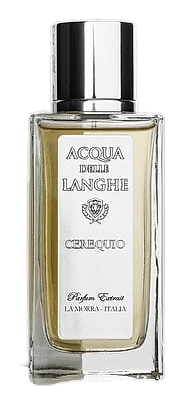
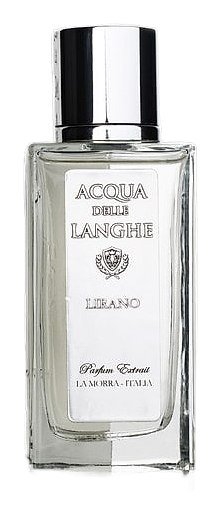
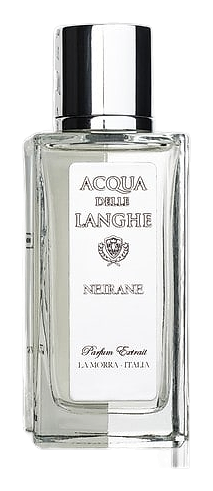
Alberto Avetta grew up among the vineyards of the Langhe, a landscape he later described as his first classroom in scent. In 2012 he turned that personal connection into a business, registering the name Acqua Delle Langhe and releasing a debut collection that included Cannubi, Cerequio, Sarmassa, Neirane, Lirano, Alba Pompeia, Villero and Arborina. Each launch was limited to a few thousand bottles, allowing the fledgling house to test its approach of pairing local botanicals with classic perfumery structures. The 2019 introduction of Oudart marked the first major stylistic shift, bringing a deep, resin‑rich note that contrasted with the earlier, lighter fruit‑and‑herb profiles. Critics noted the house’s willingness to explore darker territory without abandoning its regional focus. In 2024 the brand added Zunkai, a fragrance that blends Sichuan pepper with Langhe hazelnut, illustrating a growing interest in cross‑cultural dialogue while still anchoring the scent in Italian terroir. Throughout its evolution, Acqua Delle Langhe has remained a family‑run operation, with Avetta overseeing formulation, sourcing and distribution from a workshop in Alba. The house has never pursued mass‑market channels; instead it sells directly through its website and a curated network of boutique retailers across Europe and North America. Milestones include the first appearance in the Fragrantica “Niche” ranking in 2015, a feature in Basenotes’ “Emerging Brands” article in 2017, and a partnership with the Langhe wine consortium in 2021 to create a limited edition scent that paired a local Barolo vintage with aromatic notes from the vineyard floor. These events underscore a steady, measured growth rooted in place rather than hype.
Craftsmanship
Every Acqua Delle Langhe fragrance begins with field scouting in the Langhe hills. The team visits vineyards, orchards and forest clearings to harvest botanicals at peak ripeness. Herbs such as rosemary, sage and thyme are hand‑picked in the early morning, while fruit peels are cold‑pressed within hours of collection to preserve volatile oils. The house sources its base materials from a network of small producers who adhere to organic or biodynamic standards. For the Oudart line, the oud wood arrives from a single plantation in Assam, India, and is air‑dried for twelve months before being hand‑sawed into chips. These chips are then macerated in a neutral alcohol base for a period that can extend up to eighteen months, allowing the deep resinous character to emerge fully. In the laboratory, Avetta and a small team of perfumers work in a 20‑square‑meter space that retains a constant temperature of 20 °C and 45 % humidity, conditions that minimize premature oxidation. Formulations are built layer by layer, with each addition measured on a precision scale to the nearest milligram. The blends are then transferred to glass containers for a resting period of three to six months, during which the scent stabilizes. Quality control involves both instrumental analysis and sensory evaluation. Gas chromatography‑mass spectrometry checks for unwanted contaminants, while a panel of three senior noses conducts blind tests to confirm that the final product matches the original scent brief. Bottles are filled by hand using a stainless‑steel piston filler, and each batch is signed by Avetta, reinforcing the house’s commitment to artisanal production. Packaging materials are sourced from local glassmakers who produce amber bottles with a 30 ml capacity, a size chosen to balance longevity with the intimate nature of the scents. The caps are made of brushed aluminum, and the labels are printed on recycled paper with soy‑based inks. This end‑to‑end approach—from field to bottle—reflects a philosophy that true luxury lies in meticulous, transparent craftsmanship.
Design Language
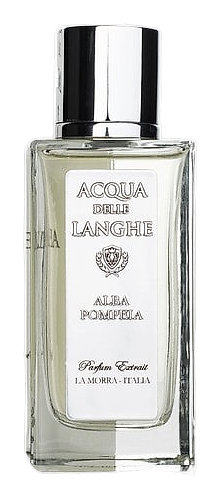
Visually, Acqua Delle Langhe adopts a minimalist palette that mirrors the muted tones of the Piedmont landscape. Bottles are clear or amber glass, allowing the liquid’s natural hue to show, and they sit within a simple black or white square box. The label features a thin line drawing of a Langhe hill, rendered in charcoal, accompanied by the fragrance name in a serif typeface that evokes old Italian signage. The brand’s logo—a stylized water droplet formed by two overlapping leaves—appears embossed on the cap, reinforcing the connection between water, agriculture and scent. Typography across the website and printed materials uses a clean, sans‑serif font for body copy, while headings retain the serif style for a touch of tradition. Photography for campaigns is shot on location, often showing misty vineyards at dawn or stone farmhouses bathed in golden light. Models are rarely used; instead, the focus stays on the environment that inspired each perfume. Digital assets follow the same restrained aesthetic. The website’s background is a soft parchment texture, and navigation menus slide in with subtle fade‑ins rather than flashy animations. This visual consistency creates a calm, contemplative experience that mirrors the brand’s olfactory intent—inviting the visitor to pause, breathe, and imagine the hills behind each scent.
Philosophy
The house frames perfumery as a dialogue between land and memory. Avetta often says a fragrance should be a map you can read with your nose, each ingredient pointing to a specific hillside, cellar or market stall. This geographic honesty drives the brand’s creative brief: select a locale, identify its dominant scent signature, then translate that into a balanced olfactory composition. Acqua Delle Langhe rejects the notion of trend‑driven novelty. Instead, it seeks continuity, allowing a scent to evolve over years as the source material changes with harvest cycles. The brand also embraces transparency; ingredient lists are published on the product page, and sourcing stories are shared in seasonal newsletters. Sustainability is woven into the philosophy: the house works with local farmers who practice organic viticulture, and it prefers glass over plastic to reduce environmental impact. Community plays a quiet role. Avetta hosts annual “scent walks” in the Langhe, inviting collectors to experience the raw materials—wild rosemary, chestnut leaves, dried grapes—before they enter the lab. These walks inform the next batch of formulas and reinforce the belief that perfume is as much about listening as it is about smelling.
Key Milestones
2012
Acqua Delle Langhe is founded by Alberto Avetta and releases its inaugural collection of ten fragrances, each named after a local landmark or plant.
2015
The brand appears in Fragrantica’s niche perfume ranking, gaining its first international exposure.
2017
Basenotes features Acqua Delle Langhe in an “Emerging Brands” article, highlighting its terroir‑driven approach.
2019
Launch of Oudart, the house’s first deep, resin‑focused scent, expanding the portfolio beyond bright, herbaceous notes.
2021
Collaboration with the Langhe wine consortium produces a limited edition Barolo‑inspired fragrance, pairing wine notes with regional botanicals.
2024
Introduction of Zunkai, a cross‑cultural blend that mixes Sichuan pepper with Langhe hazelnut, marking the brand’s most experimental release to date.
At a Glance
Brand profile snapshot
Origin
Italy
Founded
2012
Heritage
14
Years active
Collection
1
Fragrances released
Avg Rating
4.7
Community sentiment
Release Rhythm


