Terence James
Terence James occupies a distinctive place in British perfumery, bringing together the restraint of classic composition with a lively sense of contrast. His work is often described through a dry, peppery character set against bright citrus, a pairing that gives his fragrances an assured, intriguing edge. James approaches perfumery as both craft and creative practice, shaping familiar materials into compositions that feel polished yet full of character. As a perfumer associated with the broader world of scent creation, he belongs to a generation valued for technical command and an instinct for how a fragrance develops on skin. His career stands as a reminder that a memorable perfume need not announce itself loudly. A measured opening, a textured middle, and carefully judged drydown can create presence that feels distinctly British, intelligent, and lasting.
The hits
Notable creations
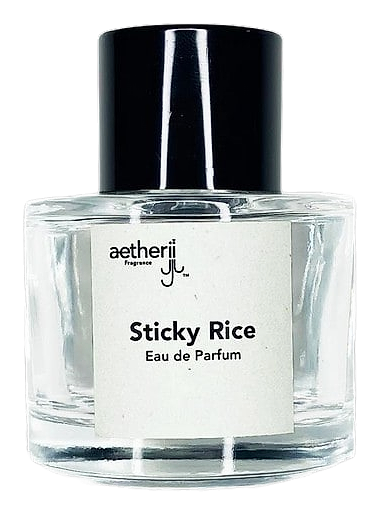
The signature
How Terence composes
The signature vocabulary of Terence James centers on the meeting point of citrus, pepper, and dry, woody facets. Citrus openings provide lift and a clean sense of movement. Pepper introduces texture and controlled spice, keeping the composition from becoming overly sweet or soft. Beneath those brighter notes, dry woods and restrained base materials give the scent substance and a polished finish. This approach favors structure over excess, creating fragrances that can read as elegant while retaining an energetic edge. It also suits the character associated with British perfumery: tailored, articulate, and subtly demanding. The recurring use of contrast gives James’s work an immediately legible identity, with bright introductions that gradually reveal darker, drier layers on skin.
Philosophy
What drives Terence
Terence James’s perfumery appears guided by contrast. Citrus brings light and immediacy, while pepper and dry woods add depth, structure, and a measured heat. Rather than treating an ingredient as decoration, he seems to build around the way each material behaves in combination, allowing sharpness to settle into a more nuanced drydown. His work reflects a classic understanding of composition: clarity, balance, and the discipline to leave room for the wearer. The result is neither rigid nor nostalgic. It is perfumery with composure, where brightness and dryness meet without losing composure. James’s distinctive contribution lies in this polished tension, giving fragrances that feel familiar in spirit but more vivid in execution.
The houses