Tara Rose
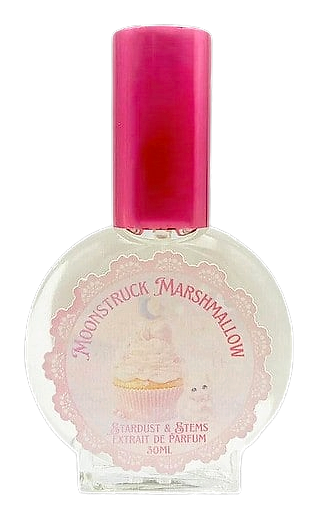
Tara Rose came to perfumery the way many self-taught artisans do: sideways, from a life already shaped by scent and sound. A classically trained singer and guitarist, she spent more than ten years teaching music to children before the pull toward botanical materials began reshaping her days. What started as curiosity about the aromatics she carried through her teaching practice eventually grew into Stardust & Stems, her small, nature-driven fragrance house. Her debut composition, simply titled Tara Rose, set the tone for everything that followed: a soft, naturalistic floral built to wear close to the skin rather than perform for the room. She works from a quiet conviction that beauty should never require a laboratory's worth of synthetics to achieve, and her formulas lean on real extracts, gentle accords, and the kind of restraint that lets each ingredient breathe. Rose, in her hands, is less a statement than a mood. Grounding, earthy, and unforced.
The hits
Notable creations
The signature
How Tara composes
Tara Rose's signature is understatement. Her formulas tend to orbit single botanical ideas, rose most prominently, supported by earthy, grounding notes that anchor the florals to something tactile and real. She prefers a naturalistic palette, building with real extracts and accords that read as themselves rather than as approximations of something louder. There is a softness to her work, a willingness to let compositions breathe on the skin rather than locking them into projection at all costs. The effect is intimate, a rose that whispers instead of shouts, carrying just enough weight to leave a trace without ever overwhelming the room.
Philosophy
What drives Tara
Rose approaches fragrance as an act of honesty. She builds her compositions to smell beautiful on a living body without leaning on the synthetic shortcuts that dominate much of modern perfumery, an increasingly rare commitment in a category that prizes longevity and projection above almost everything else. Her creative compass points toward materials she can source, trust, and recognize. The results are scents that settle rather than announce themselves, pieces meant for the wearer first and the audience second. She treats perfumery as a quiet craft, closer to songwriting than spectacle, where the goal is resonance rather than recognition.
The houses