Tara Pelletier
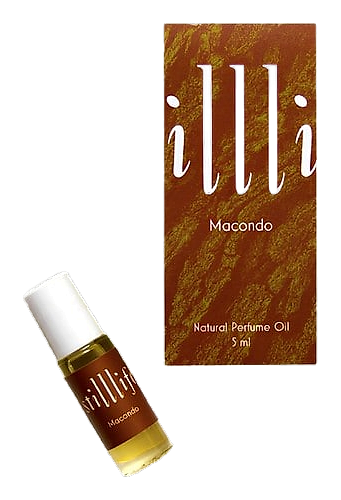
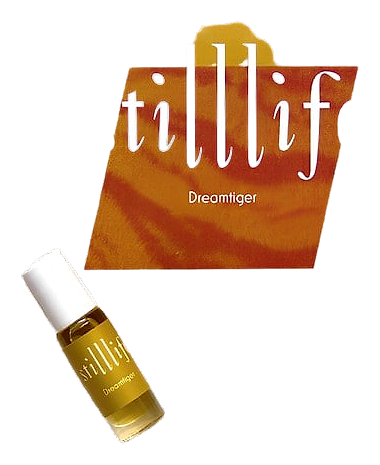
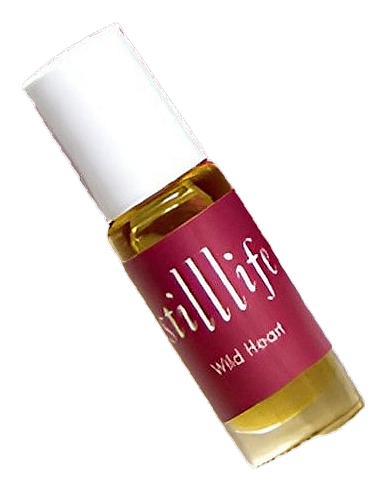
Tara Pelletier built her perfumery on the foundation of a life spent making things with her hands. Trained as a sculptor, she holds an MFA in Sculpture from Cranbrook Academy of Art, the storied Michigan program that has shaped generations of artists who think in materials. Before fine fragrance, she worked as a visual artist, toured as a musician, cooked professionally, and studied herbalism, disciplines that each left a mark on how she composes scent. In 2009 she co-founded Meow Meow Tweet, a Brooklyn-based vegan and all-natural body care label, where she began formulating fragrances for her own product line. Those early in-house compositions grew into STILLLIFE Perfumes And Colognes, her dedicated fragrance project. Her path into perfumery arrived sideways, through skincare rather than through the traditional route of a dedicated perfumery school, which gives her work an unusually material-first sensibility. She approaches scent as a sculptor approaches volume, considering weight, texture, and negative space as carefully as top notes and drydown.
The hits
Notable creations


The signature
How Tara composes
Pelletier's signature lies in restraint and skin-warmth. She leans on soft musks, dry woods, and hazy ambers as the architecture of her scents, then threads in bright citrus rinds, green leaves, and unusual herbal accents to keep the structure from settling into predictability. Vetiver, ambrette, and frankincense appear frequently in her work, suggesting a preference for dry, contemplative bases that cling rather than project. Her fragrances tend to read intimate rather than bold, built for close encounters rather than room-filling statements. Because she formulates for a vegan, all-natural house, her palette skews toward what plant materials and natural isolates can achieve, a constraint she treats as creative fuel. The result is a body of work that feels hand-shaped, edited down to essentials, and unmistakably her own.
Philosophy
What drives Tara
Pelletier designs from the principle that fragrance should feel alive on the skin, not just smell pleasant at first spray. She builds her compositions around whole botanical materials, favoring cold-pressed essences and natural isolates over synthetic shortcuts wherever the formula allows. Her training as an herbalist grounds her in the pharmacopeia of plants, and she reads scent ingredients the way a chef reads a CSA box: by season, by provenance, by what the raw material actually wants to do. She has spoken about wanting her perfumes to sit close to the body and evolve slowly, rewarding the wearer who stays attentive rather than the passerby catching a cloud. Clean beauty, in her hands, is not a marketing category. It is a working ethic that runs from the raw ingredient to the finished juice.
The houses