Sabrina Macabre
Sabrina Macabre appears to be a perfumer whose public identity remains closely tied to a dark, cinematic name. With no confirmed creations or brand affiliations in the available records, her biography resists the neat catalogue profile often applied to established perfumers. The name itself suggests an aesthetic of shadow, ritual and theatrical provocation, qualities that make her worthy of attention even before the formula behind it is known. Because there is no verified information about her training, early career or professional breakthrough, the most responsible account is one of careful attribution: Sabrina Macabre occupies an intriguing but still undocumented place in contemporary perfumery.
The hits
Notable creations
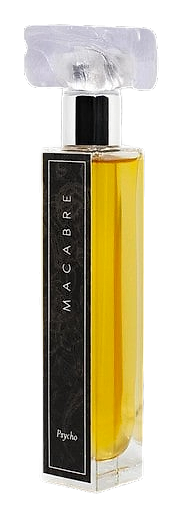
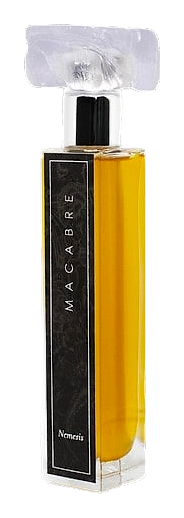
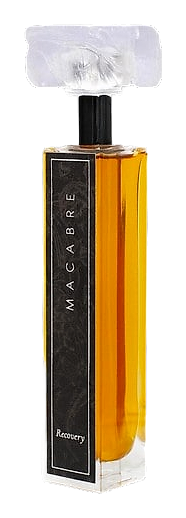
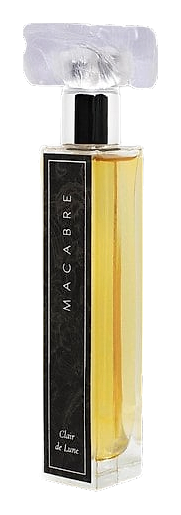
The signature
How Sabrina composes
No ingredient list, formula or signature technique has been verified for Sabrina Macabre, and the name should not be mistaken for evidence of a particular olfactory school. Her evident signature is conceptual rather than technical: it proposes a tension between the seductive and the unsettling. That pairing often calls for materials with depth and texture, such as incense, vetiver, woods, resins, dark florals, spice and restrained animalic accords, though it would be premature to assign her any of these ingredients outright. The strongest description remains atmospheric, centred on suspense, contrast and the possibility of beauty becoming strange on close inspection.
Philosophy
What drives Sabrina
The available material offers no direct statement of Sabrina Macabre's creative philosophy, so any claim would be speculative. Still, her name carries a clear creative implication: fragrance as atmosphere rather than mere adornment. “Sabrina” lends the persona an uncanny, feminine edge, while “Macabre” points toward the macabre without defining how that sensibility might be rendered. For a fragrance audience, the interest lies in the tension between allure and unease. Does she build darkness through shadowed florals, smoky resins, woods or unusual spice? Or does she find wit in contrast, placing sweetness beside something dry, strange or faintly rotten? Those questions establish the character of her profile while leaving room for the composition itself to answer.
The houses