Richard Dupont
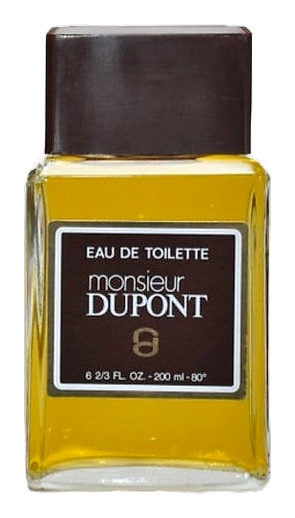
Richard Dupont appears to occupy a deliberately scarce place in fragrance history, with little publicly documented evidence about the perfumer’s training, appointments, or independent body of work. The name is often confused with both Carles Dupont, the Grasse-born perfumer associated with Roure Bertrand Dupont, and Richard Dupont, the New York artist born in 1968. What is clear is that a Richard Dupont fragrance from 1972 survives in fragrance archives, suggesting a connection to the late modernist period of American perfumery. The limited record rewards caution rather than invention: this is a profile of an elusive name, whose rarity gives the work a distinct archival character.
The hits
Notable creations
The signature
How Richard composes
The available research characterizes the Richard Dupont fragrance as rare, luxurious, and built around precious raw materials, though the precise composition remains unconfirmed. That emphasis suits the polished codes of 1970s perfumery, when dense accords, rich woods, spices, resins, and animalic facets could project opulence with greater force than they do now. Its vintage date also invites a more tactile interpretation, where texture and slow development matter as much as the opening impression. Without a verified note pyramid, it would be misleading to assign specific ingredients or describe the structure as confirmed.
Philosophy
What drives Richard
No confirmed statement from the perfumer Richard Dupont explains a personal creative doctrine, so any account of his philosophy must remain provisional. The surviving name nevertheless suggests a taste for exclusivity, rarity, and carefully selected raw materials, qualities associated with luxury fragrance culture of the era. The limited available record points toward fragrance as a composed object rather than a casual scent, built around precious materials and designed for discernment. Its restrained history also changes how the work should be read: mystery comes from documented scarcity, not from speculative claims about inspiration or technique.
The houses