Paula Cahen d'Anvers
Paula Cahen d’Anvers is a French perfumer whose career reaches back to the late 1970s, when she trained in the fragrance industry in the United Kingdom and the Netherlands. She later worked with Naarden International, a company that became Quest and is now part of Givaudan. Her path fits a quieter generation of female perfumers whose skill was built through professional practice rather than celebrity. Cahen d’Anvers is also the sister of Olivier Cresp, another noted fragrance creator. Public accounts describe her as having been surrounded by the raw materials of perfumery from an early age. The available record does not identify a single breakthrough fragrance or a definitive point at which she began composing independently, but it establishes a substantial career shaped by formal training, studio experience, and direct contact with perfume materials.
The hits
Notable creations
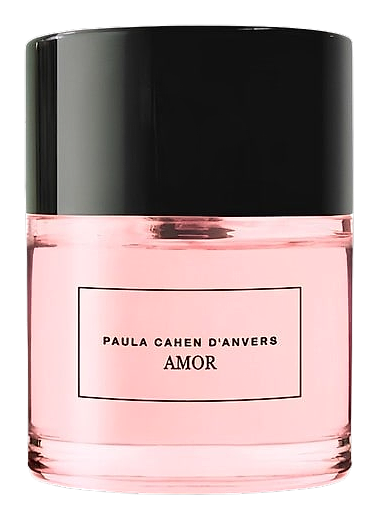
The signature
How Paula composes
Her style is best understood through the materials and traditions associated with her training, rather than through a widely documented list of signature compositions. The mention of rose, jasmine, and lavender points to a classical floral vocabulary, but it does not prove that every fragrance by Cahen d’Anvers centers on those notes. Her international experience in the UK and the Netherlands also suggests familiarity with both European perfumery practice and the technical demands of professional creation. She worked during a period when perfumers commonly built compositions through careful blending, iterative evaluation, and close attention to how materials unfold over time. A more precise account of her preferred ingredients or techniques would require information beyond the supplied record.
Philosophy
What drives Paula
Cahen d’Anvers appears to approach perfumery as a craft of close observation and controlled composition. Her connection to the world of fragrance materials, including rose, jasmine, and lavender, suggests an appreciation for the sensory character of natural ingredients and the discipline required to shape them. The public record gives little detail about her personal creative manifesto, so it would be unwise to assign her a specific aesthetic too confidently. What is clear is the breadth of her professional formation across countries and the role of concentrated perfumery culture in her development. Her work belongs to a period when a perfumer’s contribution could remain less visible than the fragrance house presenting the scent.
The houses
Maisons Paula composes for
In the same league