Nina Morić
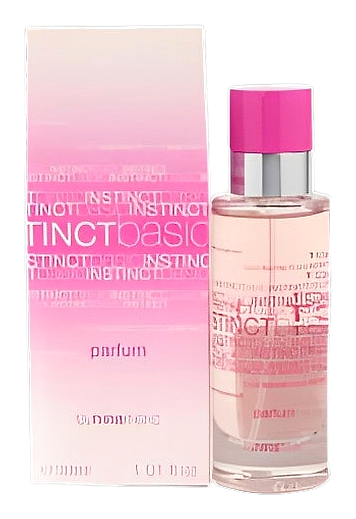
Nina Morić is a Croatian model, television presenter, and actress whose public image developed through fashion, music, and screen work during the late 1990s and 2000s. Born in Zagreb on 22 July 1976, she initially studied law before moving into modeling, a decision that brought her international visibility and appearances in projects associated with Ricky Martin's 1999 hit “Livin' la Vida Loca.” She also pursued a recording career in Italy and later became an Italian citizen through her marriage to photographer Fabrizio Corona. Morić has been described in fragrance references as a designer associated with a fragrance released by Bruno Perrucci Parfums in 2006, although the available research provides no reliable note breakdown or details about her role in its creation. Her profile is therefore shaped more by her multidisciplinary public career than by a clearly documented history as a perfumer.
The hits
Notable creations
The signature
How Nina composes
There is not enough verified information to define Nina Morić's signature ingredients, techniques, or preferred fragrance families. The sole dated fragrance association available is a 2006 release connected with Bruno Perrucci Parfums, but its composition and creative authorship are not confirmed in the supplied material. It would therefore be inaccurate to assign specific notes to her work or characterize her as a specialist in florals, woods, spice, or amber. The safest stylistic reading comes from her established fashion presence: polished, image-conscious, and suited to scents with strong projection and a glamorous finish. Any ingredient preferences should be treated as speculative until supported by official notes or a direct interview.
Philosophy
What drives Nina
No published interviews or formal statements from Nina Morić explain her fragrance philosophy, so any account of her creative intent must remain qualified. Her broader artistic path suggests a comfort with performance, glamour, and polished presentation. That background may suit fragrance as an expressive extension of personality: scent becomes a way to establish presence before the wearer speaks. The limited record of her perfumery work points to a selective approach rather than a large, traceable portfolio. For Silloria, she is best presented as a fashion figure whose fragrance connection is notable but still lightly documented, not as a master perfumer with an extensive body of independent compositions.
The houses