Mona di Oario
Mona di Orio never waited for permission to become a perfumer. At six years old, she crushed rose petals with lemon juice from her aunt's garden and declared the result a masterpiece. The lavender fields of her native Provence surrounded her childhood, and she often said that familiar, herbal sweetness pointed her toward her calling. She studied Fine Arts and Literature in Annecy, where her eye for composition and language sharpened. The perfume world noticed when she launched her eponymous house in 2004, backed by business partner Frank de Ruig and designer Jeroen Oude Sogtoen. Her work stood apart immediately: structured, surprising, refusing the ordinary. She died in 2011 at age 42, leaving a small but fiercely loyal following who consider her too-brief career a masterclass in integrity over commerce.
The hits
Notable creations
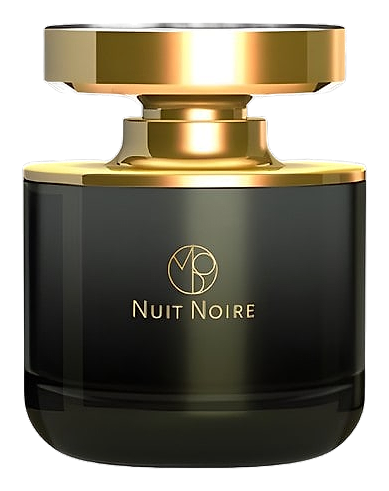
The signature
How Mona composes
Di Orio's signature balanced sharp herbal notes against rich, warm woods and resins. She worked lavender into unexpected contexts, treating it as a sophisticated anchor rather than a quaint rural reference. Her compositions favored architectural clarity: distinct layers that revealed themselves slowly rather than blending into pleasant uniformity. She gravitated toward natural materials and resisted the synthetic shortcuts that dominate commercial fragrance. Critics noted her fragrances demanded attention and rewarded patience. Her style defied easy categorization, moving between orientals, florals, and chypres with a confident hand.
Philosophy
What drives Mona
Mona di Oorio believed perfume should disrupt, not comfort. She rejected the idea that fragrance merely smelled pleasant. For her, a perfume needed to tell a story, to arrive with intention. She spoke often about her aversion to boring mass-produced work, championing niche perfumery as a space where artists could take real risks. Her lavender memory stayed with her throughout her career, a reminder that childhood sensory moments could become lasting creative fuel. She trained under some of Europe's most demanding noses before launching her own house, learning that restraint often creates more impact than excess.
The houses
Maisons Mona composes for
In the same league