Michael Gibson
Michael Gibson’s public profile is shaped by hospitality rather than a formal perfumery school. The available biography traces work as a beverage director, restaurant manager, and fine wine retailer, roles that place him close to the rituals, materials, and standards of the table. That background suggests a sensory education built through service, tasting, and careful attention to how an ingredient sits within a setting. Search results also include an unverified profile describing work from a small fragrance atelier, but no confirmed training, appointment, or first release can be established from the supplied sources. Gibson is best presented here as a fragrance creator with a hospitality sensibility, not as part of a fully documented perfumer lineage.
The hits
Notable creations

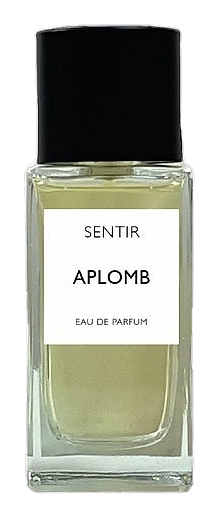
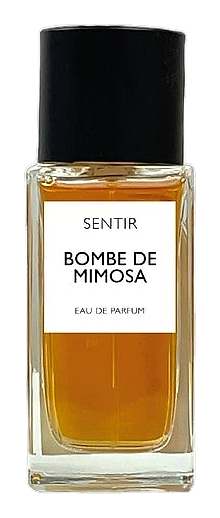

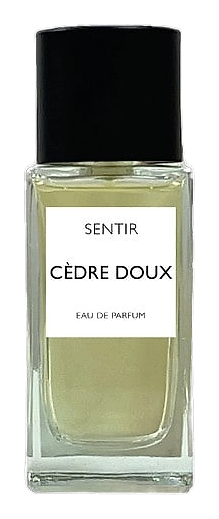
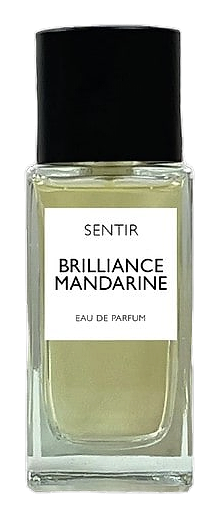
The signature
How Michael composes
No verified scent notes, signature techniques, or ingredient preferences appear in the supplied research. Still, Gibson’s hospitality background offers a credible framework for his style: layered compositions with clear structure, polished continuity, and a sense of occasion. Such a profile would favor measured contrast, perhaps pairing fresh and warm elements with woods, resins, spices, or softly textured florals. It would resist excess and place the same emphasis on wearability and hospitality that fine wine service demands. These qualities are interpretive, however, and should not be mistaken for confirmed claims. Without linked brands, official biographies, or documented creations, Gibson’s perfumery identity remains lightly defined and open to more precise sourcing.
Philosophy
What drives Michael
Gibson’s background points toward fragrance as an expression of atmosphere and taste rather than spectacle alone. Experience in beverage and hospitality invites a focus on balance, texture, sequence, and the way a scent meets the person wearing it. A restaurant can be designed through details: temperature, glassware, lighting, cadence. A fragrance can work in much the same way, pairing compatible notes and leaving room for the wearer. The supplied material does not confirm his exact creative process or training, so this reading remains informed by his professional history rather than a documented studio method. His guiding idea appears to be one of hospitality translated into scent: composed, inviting, and attentive to occasion.
The houses