Max Foucaut
Max Foucaut arrives at perfumery from an unexpected angle, carrying a portfolio built on cloth rather than scent. Born in Paris, raised across California, and now based in London, he trained in menswear at Central Saint Martins, where his focus on tailoring, workwear, and garment construction taught him something most perfumers never learn in a formal setting: how a piece earns its place on the body through structure, weight, and intention. That education shapes every fragrance he touches. Rather than emerging from a traditional perfume house apprenticeship or a chemistry degree, Foucaut treats scent as an extension of dressing, a way to complete an outfit, set a posture, or signal identity before a word is spoken. His label, MF, already speaks a fluent visual language drawn from French heritage, West Coast ease, and British precision. The fragrances follow that same trilingual grammar. Working from London, he continues to develop compositions that reflect his transcontinental upbringing. Each release reads as wearable, considered, and quietly assured, built for people who care about how a jacket falls as much as how a cologne settles on warm skin.
The hits
Notable creations
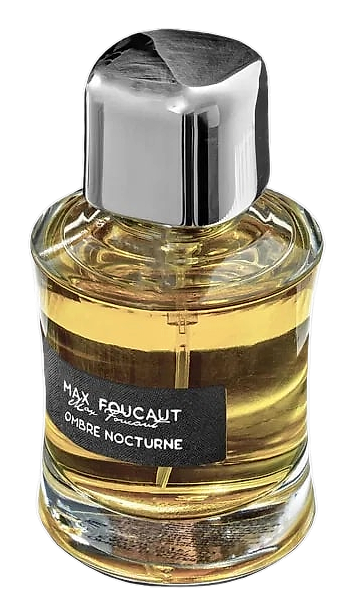
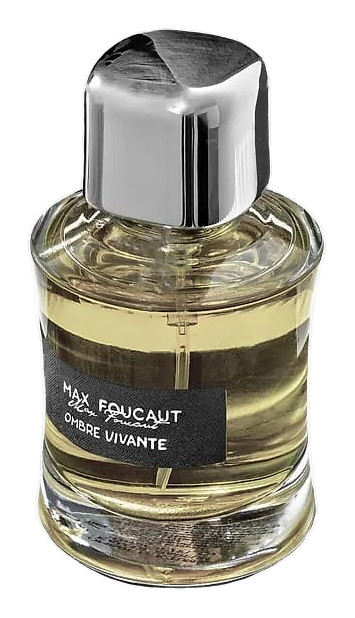
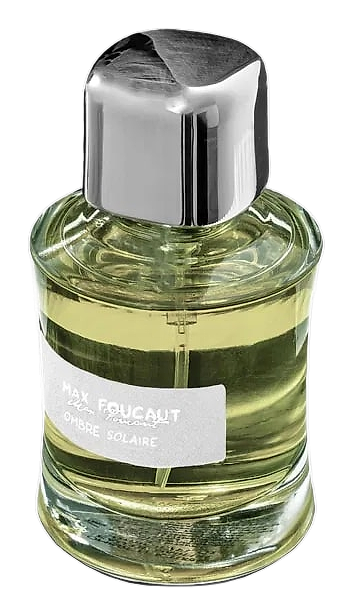
The signature
How Max composes
Foucaut's signature lies in balance and restraint. He gravitates toward ingredients that behave well on fabric and skin alike: clean musks, soft woods, herbal greens, and sheer florals that never tip into sweetness. His work favors transparency over projection, letting each note hold its own space rather than blending into an opaque accord. Construction borrows from his tailoring background. He thinks in terms of layers and weights, a crisp top accord analogous to a sharp lapel, a grounding base that holds everything upright. Citrus, neroli, and green leaves often serve as entry points, while cedar, vetiver, and ambroxan provide the quiet scaffolding beneath. The result is a wardrobe of scents designed for repetition. These are fragrances meant to be worn often, paired with favorite clothes, and recognized as part of a personal uniform rather than reserved for occasion.
Philosophy
What drives Max
Foucaut approaches fragrance as a finishing detail rather than a statement piece. For him, scent should feel like the right accessory chosen without overthinking: present enough to register, restrained enough to invite someone closer. He builds compositions the way he builds garments, starting with cut and proportion before adding ornament. Structure comes first, personality second. This produces scents that reveal themselves slowly, opening with something clean and architectural before softening into warmer, more tactile territory. Drawing on three cultural reference points, French sensibility, Californian lightness, and London precision, he rejects the idea that a fragrance must pick a single mood. A composition can carry the polish of a Parisian evening and the ease of a Pacific coast afternoon within the same wear. That duality, refinement without stiffness, warmth without excess, runs through every brief he sets for himself.
The houses