Martino Cerizza
Martino Cerizza belongs to a family whose influence on Italian perfumery is measured in decades rather than marketing claims. His grandfather Aurelio Cerizza opened Cerizza 1946 in Milan, where he imported raw materials from France and composed fragrances, establishing the family’s close connection to essential oils and fine materials. The family tradition continued through Paolo and Maurizio Cerizza, both respected Italian noses, and gives Martino a setting rooted in craftsmanship, inherited knowledge and practical experience. Public documentation of Martino’s own training and career remains limited, so his precise path is difficult to trace. He is, however, associated with the Scuola dei Profumieri and the Smell Festival, placing him within an active circle of Italian fragrance culture.
The hits
Notable creations
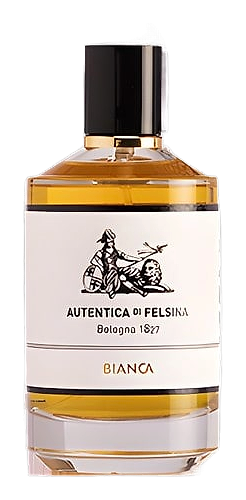
The signature
How Martino composes
Publicly available information does not provide a detailed note list or a fixed set of preferred ingredients for Martino Cerizza, so any specific claims would be speculative. Still, his family background points toward compositions built around natural aromatic materials, with freshness, balance and material clarity likely serving as guiding principles. This is not a perfumer whose identity rests on one instantly recognizable effect, but on the careful construction of fragrance. The Cerizza tradition favors the sort of polish that can hide its own labor: coherent transitions, a controlled sense of contrast and a finish that lingers without becoming theatrical.
Philosophy
What drives Martino
Martino Cerizza’s work is best understood through the values carried by the Cerizza name: respect for materials, close attention to composition and the discipline to let each note serve the whole. The family’s history suggests a perfumery shaped by direct knowledge of raw materials rather than novelty for its own sake. His public profile remains deliberately restrained, leaving little room for sweeping statements about inspiration or technique. What emerges is a precise, Italian approach, informed by years of working with aromatic materials and by a family culture that treats perfumery as both technical craft and personal expression.
The houses