Marie Le Febvre
After graduating from ISIPCA Versailles in 2000, Marie Urban Le Febvre entered the fragrance industry through roles at Takasago in Paris, where her husband Alexander Urban served as creative director. This foundational period grounded her in classical perfumery before she struck out independently. Today she operates as a parfumeur-créateur composing fine fragrances, signature scents, and museum commissions for clients across sectors. Her work extends beyond commercial perfumery into cultural territory: for over two decades, she has created signature scents accompanying art exhibitions, treating fragrance as inseparable from the multi-sensory experience of space. She brings this same curatorial sensibility to her role as an Osmothecaire and as a professor at ISIPCA, where she trains the next generation of perfumers. This dual position between industry practice and academic preservation shapes her approach to scent as a living medium, not merely a consumer product. Her independence has been essential to this freedom, allowing her to take on museum projects and bespoke commissions that most perfumers never encounter.
The hits
Notable creations
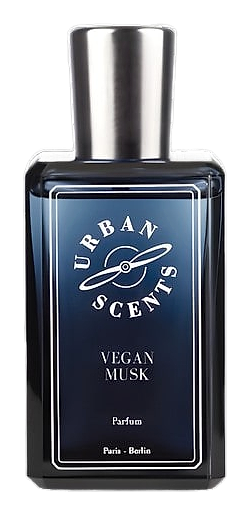
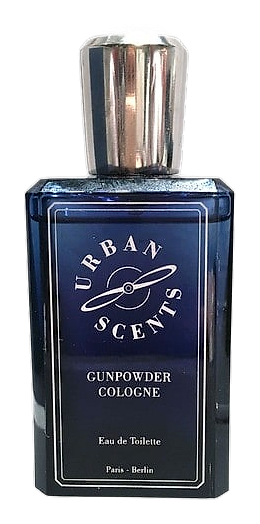
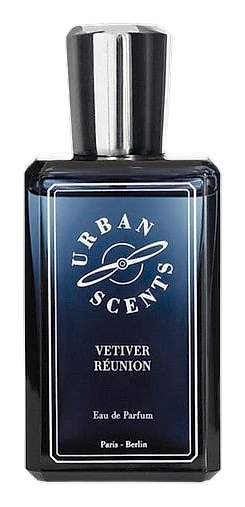
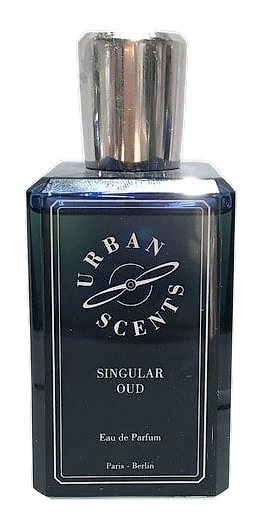
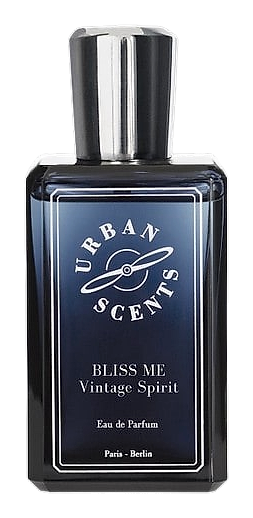
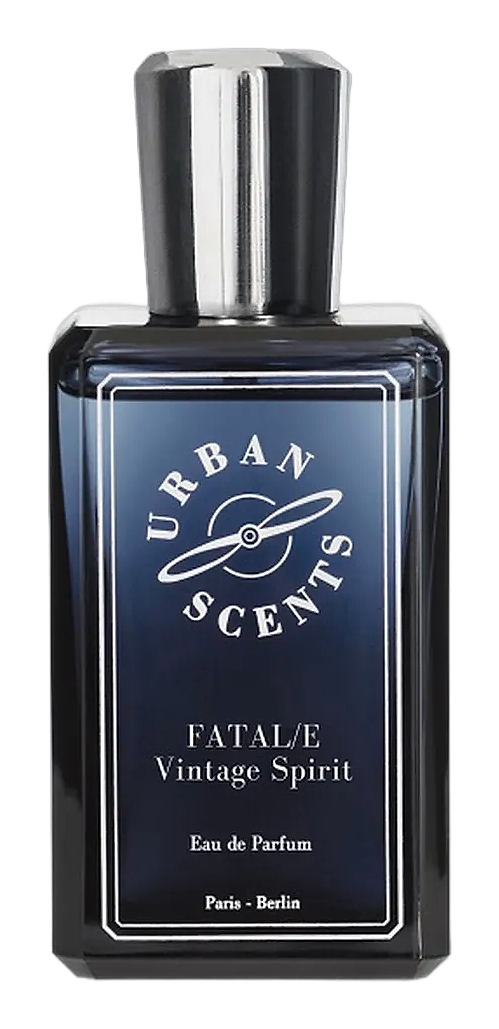
The signature
How Marie composes
Her style resists ornamentation. Where other perfumers build complexity through accumulation, Urban Le Febvre favors clarity and space, constructing fragrances around a single strong idea executed with precision. Classical training gives her technical authority; independence gives her permission to remain minimal. She gravitates toward woody and musky terrain, though her olfactory vocabulary spans from vegan musks to ancient resins. Her museum work has deepened her sensitivity to context, informing a style that functions as atmosphere rather than statement. Each creation feels considered, unhurried, stripped of anything that doesn't serve the central concept. The result reads as quiet confidence rather than austerity: a fragrance that earns attention through what it doesn't do.
Philosophy
What drives Marie
Urban Le Febvre describes her work as listening before composing. She believes art is a multi-sensory experience where color, scent, and sound converge, and her fragrances aim to participate in that convergence rather than dominate it. Her philosophy centers on restraint over excess, on what a fragrance leaves out as much as what it contains. Trained in the classical school but freed by independence, she creates fragrances that touch because they listen to context, to the viewer's relationship with space, to the moment rather than to marketing categories. She approaches each commission not as a brief to satisfy but as a conversation to join, building fragrance that responds to its environment and its audience rather than announcing itself.
The houses
Maisons Marie composes for
In the same league