Maarten K.J. Shoute
Maarten K.J. Shoute belongs to a quiet but exacting corner of perfumery, where craftsmanship takes precedence over celebrity. His path into fragrance began with the rigorous study of olfactory materials and the chemistry that governs how scent behaves over time. The early part of his career was defined by patience: learning how individual accords age, how familiar ingredients reveal unexpected facets, and how restraint often says more than abundance. Rather than chasing trends, Shoute developed a reputation for compositions with structure, balance and a distinct sense of finish. His work suggests a perfumer who values clarity and conviction, crafting fragrances that sit close to the skin and unfold gradually. Although his name may not yet carry the recognition of the industry's most famous noses, that discretion reflects a certain elegance. Shoute's identity rests on meticulous technique and a quiet authority in a field where originality can be as subtle as it is personal.
The hits
Notable creations
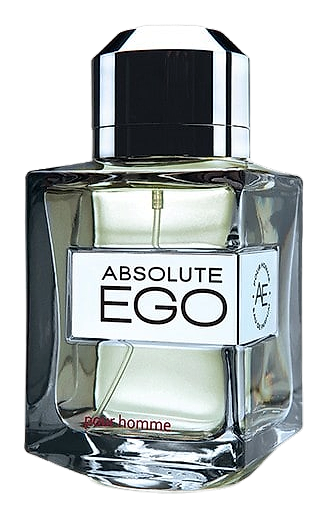
The signature
How Maarten composes
Shoute's style appears rooted in the careful selection of materials, favouring ingredients that carry both texture and transparency. He treats accords like architecture, establishing a firm foundation before introducing accents that sharpen the composition. Wood, spice and aromatic notes would suit his instinct for structure, while softer florals and musks likely provide lift and diffusion. His signatures are likely to be subtle and well-mannered, with a clean line and a refined drydown. The preference seems to be for scents that develop on skin rather than fill a room, built with enough distinction to feel personal yet enough composure to wear anywhere.
Philosophy
What drives Maarten
Shoute approaches perfumery as a discipline of editing, a belief that a fragrance should feel inevitable once the last note falls into place. His creative instinct leans toward precision, with compositions built on contrast and tension rather than decoration. He seems drawn to the idea that elegance lives in proportion, that the distance between materials matters as much as the materials themselves. For him, perfume is not simply an arrangement of attractive accords but a study in mood, memory and atmosphere. The best work, in his view, should reward attention without demanding explanation. That philosophy places natural restraint at the centre of his practice, favouring compositions that reveal themselves slowly and hold their shape rather than shouting their presence.
The houses
Maisons Maarten composes for
In the same league