Lieven Flohr
Lieven Flohr came up through the rigorous tradition of French perfumery, training at the Roure perfumery school under Jean Guichard, one of the most respected educators in the field. He later crossed the Atlantic in 1993 to refine his craft in the United States, working alongside Jean Amic during a period when American fragrance was redefining its own rules. That dual exposure to classical French structure and American creative freedom shaped a perfumer comfortable in both worlds. On returning to Europe, Flohr continued building a career rooted in precision and a quiet confidence. His work with the brand elef. marks a chapter where that seasoned perspective finds a home, allowing him to compose with the assurance of someone who has spent decades listening to materials rather than chasing them.
The hits
Notable creations
The signature
How Lieven composes
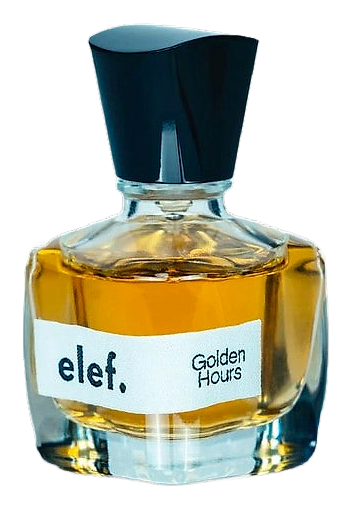
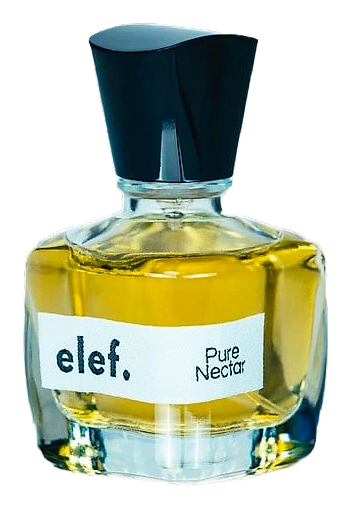
Flohr favours compositions that feel generous and sun-warmed, leaning into materials that evoke radiance and natural sweetness. His work with elef. showcases this inclination: Golden Hours lives up to its name with a golden, honeyed warmth, while Pure Nectar suggests the sticky, sun-soaked indulgence of ripe fruit caught at its peak. He has a gift for rendering gourmand-adjacent themes with restraint, avoiding the confectionary trap that claims many fragrances in this register. His technique draws on the French classical training he received at Roure, building structure beneath luminous top notes so that the brightness never collapses into simple sweetness. The result is perfumery that feels both opulent and composed.
Philosophy
What drives Lieven
Flohr approaches composition with the patience of a gardener and the discipline of a chemist. He believes a fragrance should reveal itself slowly, rewarding attention rather than demanding it. His creative process leans on imagination and acute sensitivity to raw materials, treating each accord as a conversation between ingredients that need to trust one another. He has spoken about the importance of psychology in understanding how scent moves through memory and emotion, a perspective that gives his work an emotional intelligence often missing from technically proficient compositions. For Flohr, a finished perfume is not a statement but an invitation, something that grows on the skin and belongs to the person wearing it.
The houses