Kazu Glen Diaz
Kazu Glen Diaz is a perfumer whose public profile is as distinctive as the brief description attached to his work: “lovely old fashioned soapy smell.” The available record does not establish a formal fragrance education, apprenticeship, brand affiliation, or a clearly dated first release. It offers instead a concise creative signal, one that suggests a preference for clean, polished compositions with a familiar, lived-in character. In perfumery, soapiness can evoke both freshness and comfort, from aldehydic sparkle to soft musk, powder, and the subtle warmth of skin. That ambiguity gives Diaz an appealing point of view. His work appears to favor restraint over spectacle, building fragrance around the reassuring impression of something freshly washed rather than announcing itself through excess. With no creations listed in the Silloria database and no linked brands, this profile treats his emerging reputation as a promising but still lightly documented talent.
The hits
Notable creations
The signature
How Kazu composes
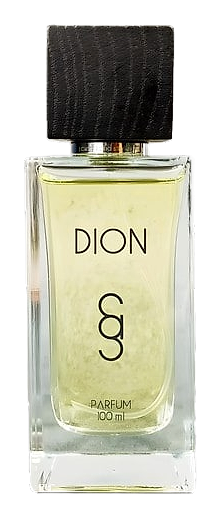
The clearest technical description available for Kazu Glen Diaz is “lovely old fashioned soapy smell.” Interpreted carefully, that suggests a clean, smooth, and gently tactile style, with an emphasis on compositions that feel polished yet comforting. Soap accords may be approached through bright aldehydes, restrained florals, soft woods, musks, or powder-like textures, though the research does not confirm any specific materials. The old-fashioned reference implies a preference for recognizable fragrance codes over a deliberately experimental stance. It may also point to a subtle emphasis on wearability, as soap-associated scents tend to sit close to the body and suggest freshness without demanding attention. His signature, if so early a body of work can be called that, is poised between crispness and warmth.
Philosophy
What drives Kazu
Diaz’s stated signature, an old-fashioned soapy smell, points to fragrance as an exercise in atmosphere rather than display. Soap carries memories of cleanliness, domestic ritual, and understated care, while its familiar quality can make a composition feel intimate and immediately readable. His work seems interested in that balance: a surface that appears simple, but may reveal different facets as it settles. The phrase “lovely” is important, too. It suggests softness and pleasure without exaggeration. Although the available research does not describe his process or influences in detail, his aesthetic favors a measured, nostalgic register. Rather than chasing novelty for its own sake, Diaz appears to revisit the sensory comfort of familiar scents and refine them with a modern sensibility.
The houses