Julia Haddon
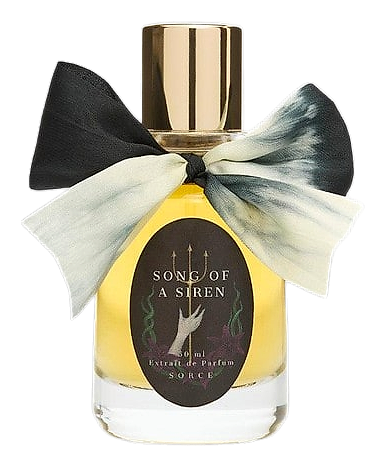
Julia Haddon is an independent perfumer whose presence in the niche fragrance world has grown through sheer creative conviction. Based in New York, she founded her own house and began composing fragrances roughly three years ago, emerging onto a scene that values distinct points of view. Her debut offerings, Poisonous Roots and Lady of Steel, signaled a perfumer drawn to contrast: the seductive danger of the former set against the unyielding strength suggested by the latter. A recent collaboration with Sorce produced Song of a Siren, a 2026 release built around water lily, amber, an airy note, and rum, which brought her work to a wider audience. Haddon has appeared in person at respected retail destinations like Scent Bar in Brooklyn, where she engaged directly with customers and shared the thinking behind her compositions. She is vocal about ingredient safety and openly questions the role of synthetic materials in modern perfumery, a stance that informs both her sourcing decisions and her public voice. Her path reflects the current wave of founder-perfumers building houses from the ground up.
The hits
Notable creations
The signature
How Julia composes
Haddon favors compositions built on narrative tension, pairing botanical elements with warmer, more grounded materials to create friction and depth. Her work with Sorce on Song of a Siren showcased her comfort with aquatic florals like water lily, offset by amber and a boozy rum accord, producing something neither purely fresh nor traditionally gourmand. Her earlier independent releases, Poisonous Roots and Lady of Steel, hint at a palette willing to explore darker, more evocative territory. Across her work, she gravitates toward structures that feel both modern and emotionally direct, using contrast as a structural tool rather than a decorative flourish.
Philosophy
What drives Julia
Haddon approaches fragrance as an act of personal honesty. She builds compositions that hold tension between attraction and warning, softness and armor, which suggests a belief that scent should reveal something true about the wearer rather than flatter them. Her skepticism toward synthetic ingredients, voiced publicly, points to a commitment to transparency about what touches the skin. She values direct connection with the people who wear her work, showing up at retail events and listening closely to feedback. This combination of creative independence, ingredient consciousness, and community engagement shapes a practice rooted in accountability and creative courage.
The houses
Maisons Julia composes for
In the same league