Jennifer Bové
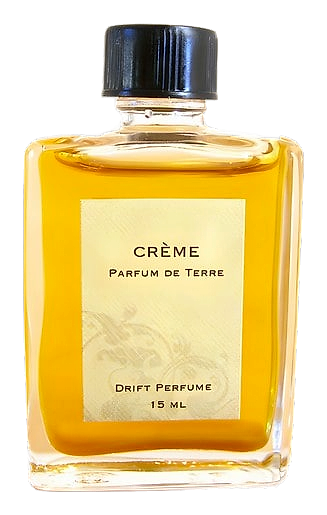
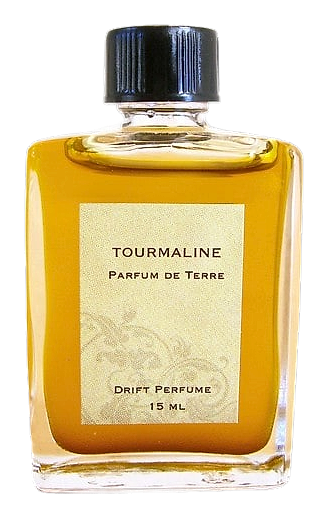
Jennifer Bové built her career with her nose in two unlikely places: the field and the page. Trained as a field biologist, she spent years documenting ecosystems before pivoting into magazine writing and editing, eventually publishing nonfiction anthologies for adults and award-winning children's books inspired by the natural world. The leap into perfumery felt, in some ways, inevitable. She founded Drift Perfumes after relocating to Colorado in 2012, building a natural perfume house grounded in botanical knowledge rather than laboratory chemistry. As one of the few professionally trained female perfumers who also runs her own independent brand, Bové occupies a rare position. She writes about scent with the precision of a scientist and the curiosity of a naturalist, carrying both skills into every composition she releases. Her dual identity, writer and nose, shapes how she talks about fragrance and how she makes it.
The hits
Notable creations
The signature
How Jennifer composes
Bové's signature lies in botanical clarity. She favors natural essential oils, absolutes, and tinctures, often working with materials she can identify by smell alone after years of fieldwork and study. Her compositions tend toward transparency: single notes given room to speak, or small groupings arranged like a herbarium page. She gravitates to ingredients drawn from the American West and her New England roots, conifers, resinous woods, dry herbs, wildflowers, and the occasional unexpected botanical that catches her attention during a hike. Rather than building heavy structures, she prefers compositions that evolve gently, revealing new facets as the wearer moves through the day. Her writing background shows up in the precision of her materials and the narrative clarity of her scent pairings.
Philosophy
What drives Jennifer
Bové approaches perfumery as an extension of her work in natural history. She builds from what she knows: plants, soil, weather, the slow logic of living systems. Each fragrance starts with a story she wants to tell about a place, a season, or a memory tied to landscape. Because she trained in biology before perfumery, she tends to think in terms of ecosystems rather than accords, layering ingredients so they breathe and shift the way a meadow does over the course of an afternoon. Her commitment to natural materials runs deep, and she treats sourcing as part of the creative act. The result is work that feels rooted, specific, and quietly observant, made by someone who spent years learning to read the world before she tried to bottle it.
The houses