Jennifer Auspitz
Jennifer Auspitz is a perfumer whose public profile remains deliberately discreet. The available material does not document her training, early career, or a specific breakthrough composition, so her biography is best understood as a work still in progress rather than a finished catalogue. Her name appears in conversations about women perfumers and the people shaping fragrance culture, a field long associated with celebrated male composers but increasingly acknowledging women whose technical command and creative choices deserve equal attention. Auspitz stands within that broader shift. Without verified details about her education, employers, or signature releases, it would be misleading to assign her a particular school or fragrance house. What can be said with confidence is that she belongs to a generation of women perfumers claiming visibility for work that demands imagination, precision, and an unusually nuanced understanding of scent.
The hits
Notable creations
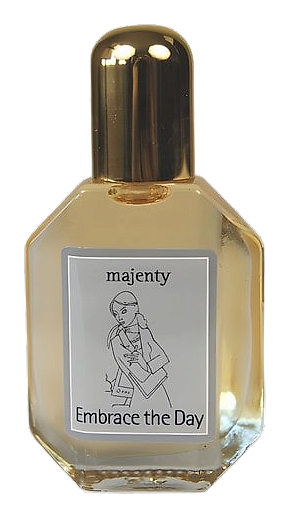


The signature
How Jennifer composes
Specific notes, materials, and techniques associated with Jennifer Auspitz cannot be confirmed from the available material. Any catalogue of preferred ingredients would therefore risk presenting invention as fact. Still, her place among contemporary women perfumers suggests a discipline shaped by careful composition, controlled contrast, and the ability to make fragrance feel articulate rather than merely decorative. A successful perfume often depends on how its elements converse: citrus sharpens a floral accord, woods lend depth, resins create warmth, and tactile ingredients can lend the impression of something beautifully worn. Whether Auspitz favors any of these materials remains open. The responsible profile is concise, but not falsely conclusive. Her real signature should be discovered in her work, through the structure, texture, and emotional temperature of each fragrance she creates.
Philosophy
What drives Jennifer
Auspitz’s creative philosophy is not described in enough detail to quote or interpret with certainty. In perfumery, however, the work depends on balancing opposites: a composition can feel bright yet intimate, familiar yet surprising, polished yet visibly human. Those tensions offer a useful frame for understanding her practice without claiming facts the record does not establish. The most compelling fragrances rarely announce themselves through a single dominant note. They reveal themselves gradually, changing as warmth from the skin brings forward different facets. For a perfumer such as Auspitz, the challenge is not simply to construct an attractive scent, but to give that scent a distinct emotional identity. The evidence invites curiosity rather than a definitive verdict, leaving room for discovery through the compositions themselves.
The houses
Maisons Jennifer composes for
In the same league