Jeanette Price
Jeanette Price arrived at perfumery by way of a classroom and a curiosity she couldn't quite name. Fresh from earning a master's degree at the University of Virginia, she found herself restless in teaching and drawn to something tactile, sensory, entirely her own. The turning point came in Grasse, where she studied at the historic Galimard house and spent time immersed among hundreds of raw materials. That experience rewired her sense of possibility. She returned home and began building a fragrance business from scratch, launching Wax Poetic in early 2015 as a passion project that married scent with language and storytelling. The venture grew from her knack for blending and her instinct for naming, each fragrance treated as a small poem waiting to be written. Today she is recognized as one of the few professionally trained female perfumers who also operates her own independent house, navigating the industry from both sides of the bench.
The hits
Notable creations
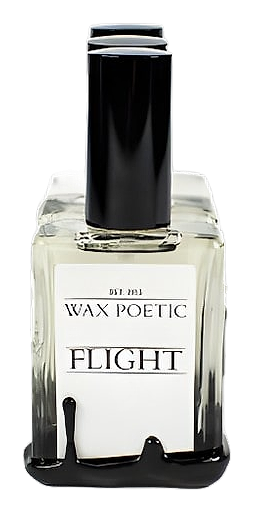
The signature
How Jeanette composes
Price leans on natural absolutes and herbal green notes, threading them through unexpected textures rather than relying on the obvious gourmand or floral shortcuts. She has a particular fondness for beeswax absolutes, fig leaf, and the drydown of hay and tonka, building compositions that feel sun-warmed and lived-in. Her structures tend to open with something crisp and immediate, often a citrus or a green stem note, before settling into a softer, more contemplative base. Rather than layering for maximum projection, she tunes for closeness, the kind of scent someone notices only when they lean in. Wax Poetic's catalog reflects this, reading less like a brand lineup and more like a stack of letters arranged by season.
Philosophy
What drives Jeanette
Price treats fragrance as a form of writing she can hold in her hand. Each composition begins with a feeling or a phrase she wants to inhabit, then she works backward into the bottle, layering notes until the idea becomes wearable. She resists the industry obsession with spectacle and celebrity bottles, preferring intimate scents that read like private correspondence. Her creative approach borrows from literature as much as from olfaction: she thinks in images, moods, the weight of a single word. Training at Galimard gave her technical fluency, but her real education came from paying attention to how people respond when a scent reminds them of something they'd almost forgotten. That reminder is what she builds toward.
The houses