Jean-Pierre Sand
Jean-Pierre Sand has spent more than three decades shaping the world of niche fragrance, building his reputation as both founder and creative force behind Sandparfums. From a Parisian atelier where ideas and impressions converge daily, he has developed and distributed exclusive perfumes to an international audience, quietly cultivating one of independent perfumery's most personal houses. His path to the organ began far from the storied maisons of Grasse. A fascination with plants, their chemistry, and the invisible languages they speak drew him toward fragrance composition long before Sandparfums carried his name. Over thirty years on, that early curiosity still drives him. Sand is rarely quoted, rarely photographed, and largely uninterested in the spotlight his peers chase. He lets the bottles speak.
The hits
Notable creations
The signature
How Jean-Pierre composes
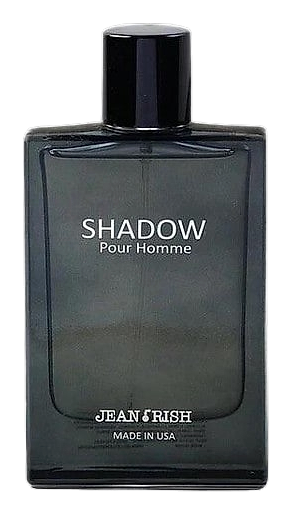
Sand's signature lies in an almost architectural clarity. He prefers compositions built on a few strong materials rather than crowded pyramids, treating each accord like a structural element rather than ornament. His palette leans toward woods, ambers, and richly spiced or aromatic naturals, often anchored by smooth musks that give his work a soft, skin-like finish. He favors slow, contemplative drying rather than sharp projection, composing for the wearer rather than the room. Flacons under the Sandparfums label reflect this same restraint: clean lines, no excess, every element intentional. It is a style defined less by flourish than by absolute confidence in simplicity.
Philosophy
What drives Jean-Pierre
Sand's creative approach rests on patience and presence. He gathers his ideas and impressions inside a Parisian workplace that functions less as a laboratory and more as a quiet observatory of scent, where raw materials are studied, revisited, and allowed to reveal their quieter dimensions. He believes a fragrance must earn its complexity, arriving note by note rather than announcing itself all at once. For Sand, exclusivity is not scarcity, but rather the freedom to develop quietly, without seasonal pressures or market dictates. His compositions tend to favor transparency, rewarding the nose that lingers rather than the one that glances. The result is a body of work that feels considered, restrained, and unmistakably personal.
The houses