James Atkinsons
James Atkinson arrived in London from a small Cumberland village in 1799 with little more than ambition and an acute understanding of scent. Born the eldest of ten children in Hayton, he built his reputation step by step in Regency London's competitive perfume trade. His breakthrough came not through convention but through contradiction: where Italian perfumers dominated the cologne category, Atkinson dared to reimagine the form through a distinctly British sensibility. By 1832, his audacious approach earned him the title of Perfumer to the Court of St. James, securing a place at the heart of royal fragrance culture. His early success with a bear-grease hair pomade demonstrated his willingness to work with unconventional materials, a trait that would define his career. Atkinson understood that British perfumery didn't need to imitate continental elegance; it could compete with it directly. That conviction reshaped what an English fragrance house could become.
The hits
Notable creations
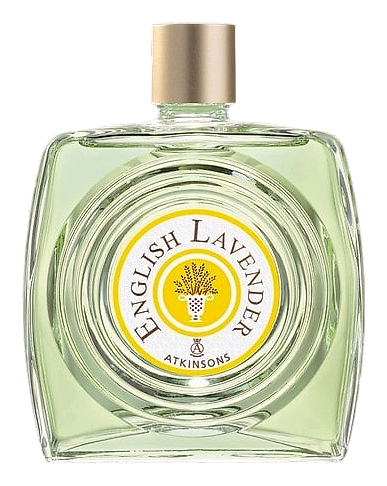
The signature
How James composes
Atkinson's signature technique involved restructuring traditional citrus-based cologne compositions with unexpected depth and projection. He favored rich, animalic base notes that gave his creations longevity without sacrificing freshness. His 1826 English cologne demonstrated a masterful balance between aromatic brightness and earthy foundation, likely incorporating bergamot, lavender, and animalic woods. He worked readily with unconventional materials when convention failed to deliver the effect he sought, as evidenced by his early pomade formulations. His style rewarded close attention: scents that revealed complexity gradually rather than announcing themselves immediately.
Philosophy
What drives James
Atkinson's approach centered on confident reinterpretation. Rather than simply adopting Italian cologne traditions, he questioned their assumptions and rebuilt them for an English audience. He believed scent should carry character and intention, not merely pleasantry. His work suggests a philosophy rooted in national pride without nationalism, taking the best of what European perfumery offered and filtering it through British restraint and boldness simultaneously. He trusted that his audience wanted distinction over convention.
The houses
Maisons James composes for
In the same league