Hoang Nguyen
Nguyen Thanh Hoang is the founder and perfumer behind Nez, the Vietnamese cultural fragrance movement known for drawing on the country’s landscapes, legends, and botanical traditions. His work places Vietnamese identity at the center of contemporary perfumery, pairing local materials with polished, modern compositions. Before founding the brand, he trained in olfactory design in Tokyo and organized what is described as the first successful Vietnamese fragrance exhibition, establishing himself early as both a maker and an advocate for Vietnamese scent culture. He has since spoken internationally about Nez’s creative ambitions and its presence in Paris, becoming one of the region’s most visible independent perfume figures. Public details about his earlier life and formal education remain limited, but his trajectory is clear: from Tokyo training and exhibition-making to building a fragrance house with a distinctly Vietnamese point of view.
The hits
Notable creations
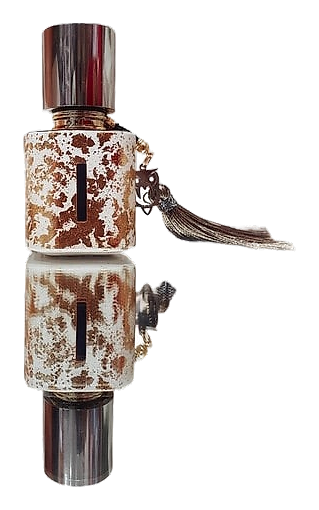
The signature
How Hoang composes
Hoang Nguyen favors materials that retain a sense of origin, particularly native Vietnamese botanicals and ingredients associated with the country’s natural and agricultural life. He works toward compositions with both cultural specificity and modern clarity, balancing aromatic, green, woody, spicy, and softly textured dimensions rather than relying on a single decorative motif. Across his 18 fragrances for Nez, the common thread is a close reading of Vietnamese identity, from imperial history and village life to tropical vegetation and regional ritual. His technical training informs that cultural work, giving each narrative a polished structure without sanding away its character.
Philosophy
What drives Hoang
Hoang Nguyen treats perfumery as a way to make cultural memory tangible. His approach begins with close attention to Vietnam, then translates its flora, fauna, mythology, and visual culture into scents that feel contemporary rather than nostalgic. The fragrances for Nez are designed as expressions of place, carrying stories that can be experienced through scent rather than explained through labels alone. This sensibility also shapes his wider ambition of presenting Vietnamese fragrance on an international stage. He sees perfumery as an independent cultural language, one capable of preserving heritage while speaking fluently to a global audience.
The houses