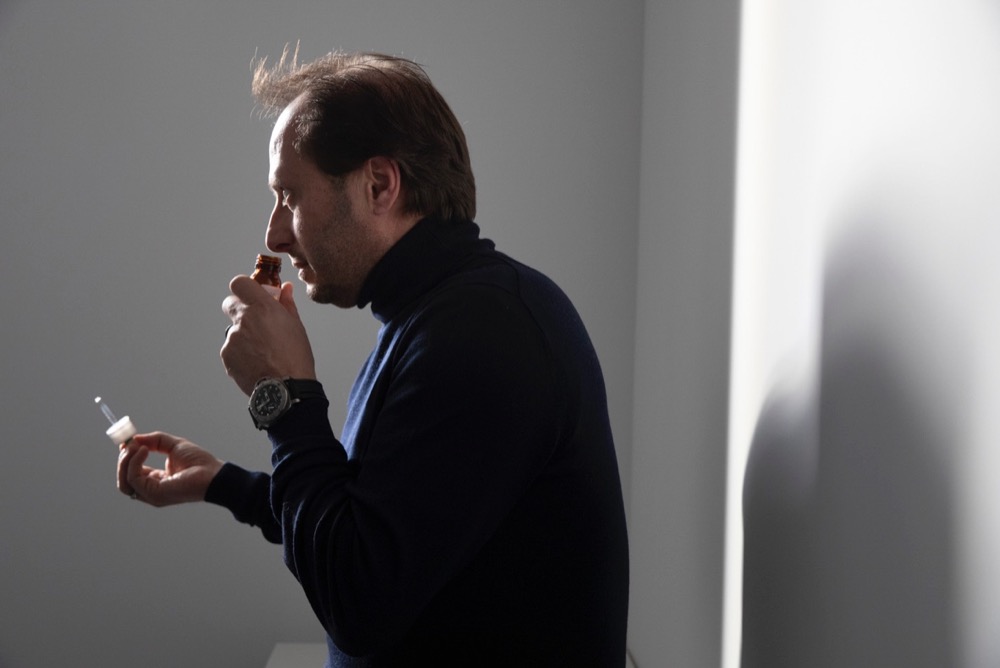
Gonzalo Catalá de Burgos
Gonzalo Catalá de Burgos operates in the quiet margins of contemporary perfumery, a name whispered among collectors and indie enthusiasts rather than splashed across billboard campaigns. Born into a family with deep Andalusian roots, he grew up surrounded by the raw materials of his eventual trade: citrus groves, aromatic herbs drying in summer heat, and the resinous traditions of southern Spain. His formal training remains somewhat shrouded, though sources suggest extensive study in organic chemistry followed by apprenticeship under established noses in Grasse, the historic cradle of French perfumery. He later relocated to Madrid, where he began composing fragrances for boutique houses and select independent projects. His career gained traction through collaborations with niche brands seeking authenticity over mass appeal. Though his public profile stays modest, those familiar with his work describe a perfumer who privileges emotional resonance above trend-chasing, building compositions that feel personal rather than commercial. He continues to operate from a small studio, producing a limited but devoted catalog of creations.
The hits
Notable creations

The signature
How Gonzalo composes
His signature leans toward the Mediterranean: sun-warmed citrus, aromatic herbs, dried woods, and a fondness for ambers that recall incense rather than sugar. Catalá de Burgos gravitates toward natural essences where possible, though he does not shy from selective molecular ingredients when they serve the composition. His structures tend to be dry rather than gourmand, with pronounced mineral or salty facets threading through many of his works. He favors clarity over density, allowing each material room to breathe within the formula. Common threads include labdanum, rosemary, immortelle, cedarwood, and bergamot, often arranged around a leathery or smoky base. His sillage tends toward intimacy rather than projection, a choice that rewards close attention.
Philosophy
What drives Gonzalo
Catalá de Burgos approaches perfumery as an act of memory preservation, treating each composition as a vessel for feeling rather than a product designed for commercial success. He believes scent holds the rare ability to bypass rational thought and speak directly to the limbic system, which is why he constructs fragrances with narrative intention. His creative process begins with a place, a season, or a fleeting impression, then unfolds through patient iteration. He resists the pull of industry trends, preferring to develop materials at his own tempo, sometimes spending years refining a single accord. For him, a finished perfume should feel inevitable, as though it always existed and he simply discovered it. This quiet conviction shapes every brief he accepts and every formula he rejects.
The houses