Frank Rittler
Frank Rittler began his fragrance career in 1973 as a chemist at Chanel’s Fragrance Laboratory. Rather than following a conventional academic route into perfumery, he developed as a self-taught nose, guided by curiosity and close attention to scent materials. His early laboratory experience gave him a chemical foundation, while his independent approach shaped a style rooted in exploration rather than formulaic composition. Over the decades, Rittler’s career moved through Chanel, Henkel and his own work with The Nose Behind. At Henkel, he served as a senior perfumer and expanded his practice across fine fragrance and other fragrance applications. He is now associated with The Nose Behind, where each composition is conceived around a specific place, giving even his personal creations a sense of place and narrative.
The hits
Notable creations
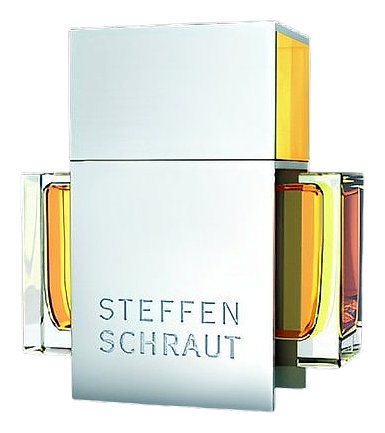
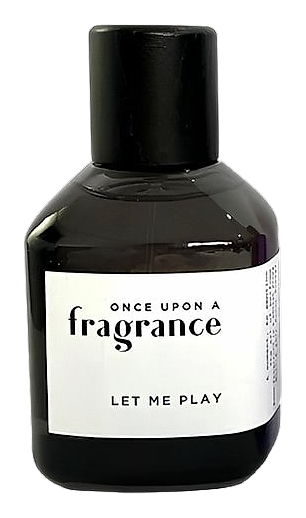
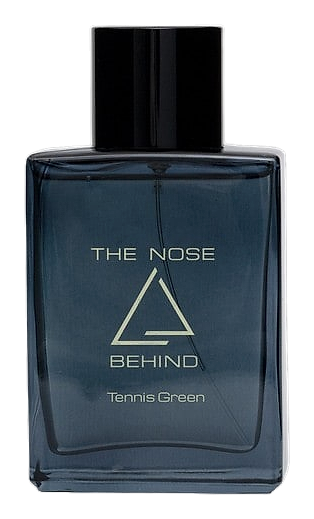
The signature
How Frank composes
Rittler’s style is best understood through the character of Tennis Green, his best-known creation. The fragrance is fresh, green and mineral, with the crisp immediacy of cut grass and foliage tempered by a refined, polished finish. Across his work, he favors compositions that suggest atmosphere through clearly defined scent impressions rather than dense, abstract heaviness. His chemistry background contributes precision, while his self-taught development brings a more personal and exploratory sensibility. In his own creations, place serves as a structural idea, allowing different facets of a location to shape the composition. The result is a perfumery practice that balances freshness, clarity and evocative place-making.
Philosophy
What drives Frank
Rittler treats perfumery as a meeting place of science and instinct. His chemistry training helps him understand materials and construction, but his compositions depend on discovery, instinct and the character of a place. He does not describe his work through rigid technical rules so much as an explorer’s openness to unexpected combinations. For him, fragrance becomes meaningful when it evokes a distinct atmosphere, memory or environment. The places behind his creations are not simply decorative themes; they inform the mood, texture and emotional focus of each scent. This place-centered approach gives his work a clear identity while leaving room for interpretation by the person wearing it.
The houses