Erika Gualtieri
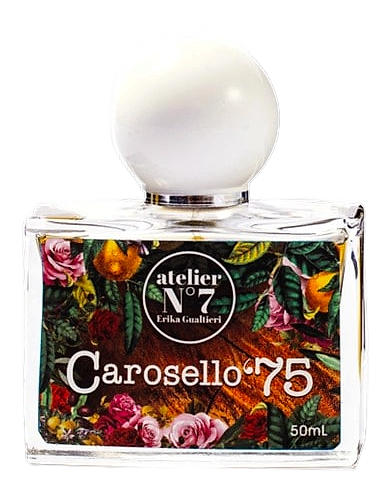
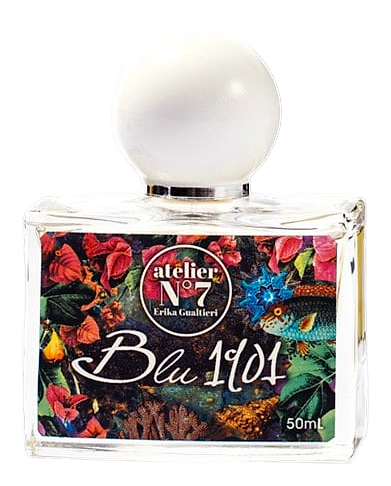
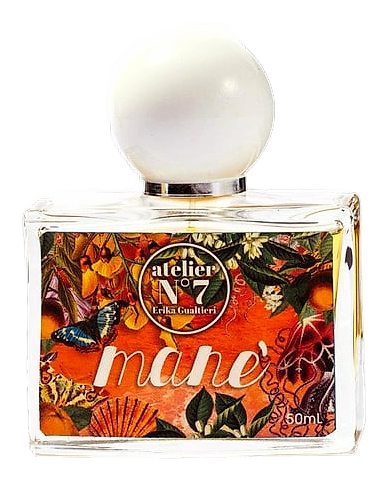
Erika Gualtieri is the perfumer behind Atelier No. 7, where she composed three fragrances introduced in 2019. The available record presents her as both creator and house nose, marking a notable step into independent fine perfumery. Her debut arrives at a moment when intimate, artist-led scents are prized for their sense of place and personal authorship. The research material offers little detail about her formal training or earlier career, so Gualtieri’s development remains less documented than her emerging body of work. What is clear is the concentrated nature of her first chapter: three releases from a single house, each shaped by the same creative voice and sharing a debut year. That makes her early catalogue compact, but also unusually coherent, with Atelier No. 7 functioning as the setting for a distinct perfumery sensibility still waiting to be fully revealed.
The hits
Notable creations
The signature
How Erika composes
With only three documented fragrances, all introduced in 2019, Gualtieri’s signature style is still taking shape. Her defining technique is authorship from within the house: she created the Atelier No. 7 collection and served as the nose behind all three releases. This close relationship between perfumer and brand gives the debut a unified character, even before a broader catalogue can establish which materials recur most often. The record does not provide reliable note breakdowns or confirm specific signature ingredients, so claims about her preferred accords would be speculative. For now, her style is best defined by restraint, continuity, and the freedom of a small atelier setting, where each composition can retain the particular atmosphere of its creator.
Philosophy
What drives Erika
Gualtieri’s creative philosophy is most visible in the choice to compose for Atelier No. 7, an independent platform associated with an intimate, curatorial approach to fragrance. Her first three scents emerged together in 2019, suggesting that the house’s identity and the perfumer’s own artistic instincts are closely connected. Rather than chasing a familiar commercial template, she appears to have found expression through a tightly focused debut collection. The available research does not detail her personal statements or ingredient intentions, so it would be premature to assign a fixed thematic code to her work. Still, the circumstances speak clearly: an independent house, a small number of compositions, and a fragrance language built from the concentrated expertise of a single perfumer.
The houses